 English
 Français

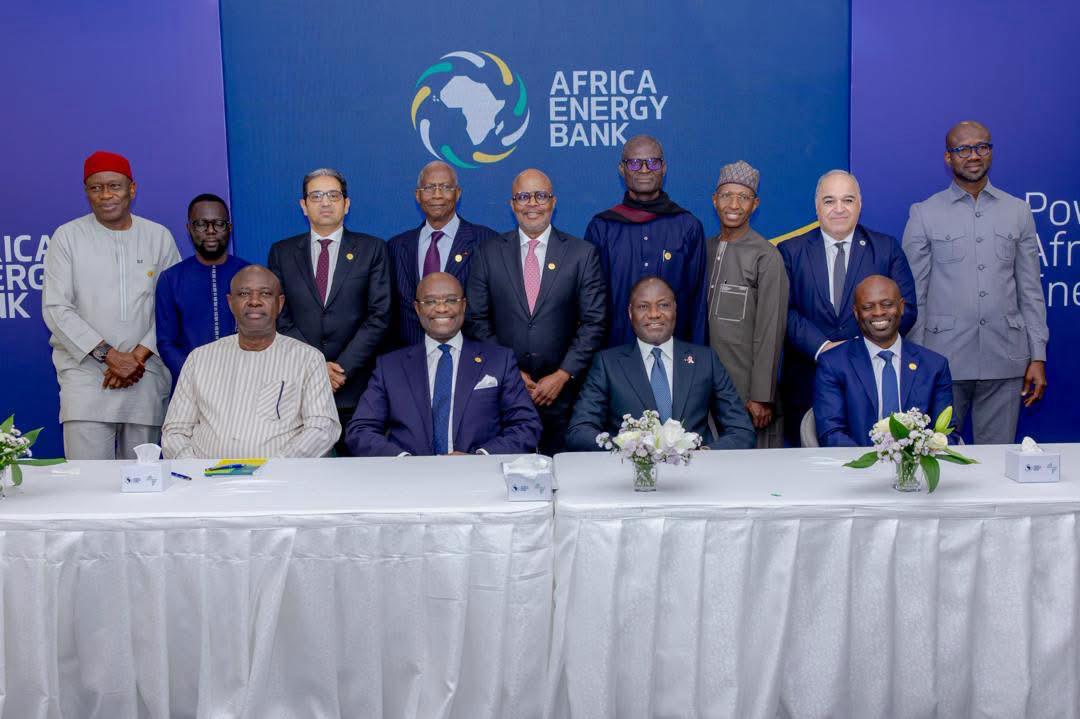
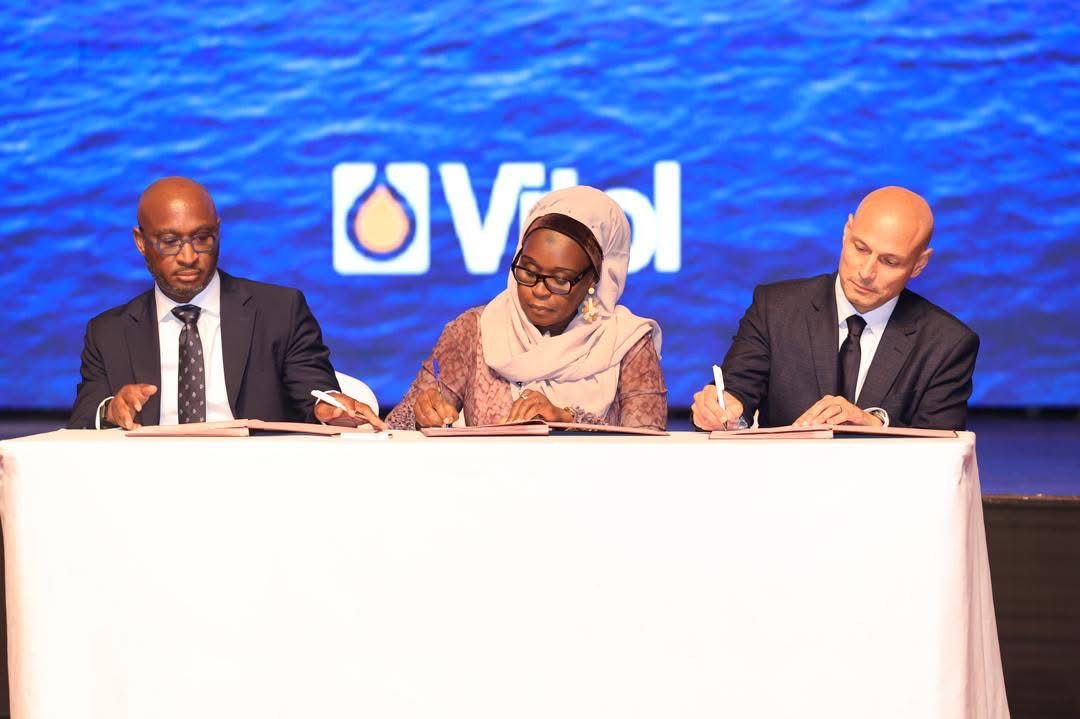
The main issue is not the creation of a new bank. It lies in Africa's capacity to finance its energy industry itself. Meeting in Abuja, the 18 member states of the African Petroleum Producers Organization (APPO), together with the African Export-Import Bank (Afreximbank), officially launched the African Energy Bank (AEB). The institution will have an initial capital of $5 billion to support projects covering the entire energy chain, from exploration to refining, including transport and distribution. The creation of the BAE takes place in a particular context.According to its promoters, many traditional donors are reducing their commitments to hydrocarbons while oil and gas remain essential for several African economies. The bank's mission is precisely to fill this financial void. The continent's energy needs are estimated at around $200 billion. Faced with this gap, the APPO and Afreximbank want to build a tool capable of mobilizing African and international capital in favor of strategic projects. was elected president of the bank's General Assembly for one year.In Abuja, he recalled a paradox that continues to weigh on producing economies: Africa exports around 75% of its crude oil but imports almost 70% of the petroleum products it consumes. The future bank aims precisely to finance the infrastructure that the continent lacks. Refineries, storage facilities, transportation networks and gas projects are among the targeted sectors. The stated objective is to reduce dependence on imports, develop intra-African energy exchanges and strengthen local transformation of resources.
The first BAE operations are expected in 2027.With this institution based in Abuja and led by the Egyptian Helmy Ghazi, African producer countries are now trying to demonstrate that they can finance their own energy future.