 English
 Français


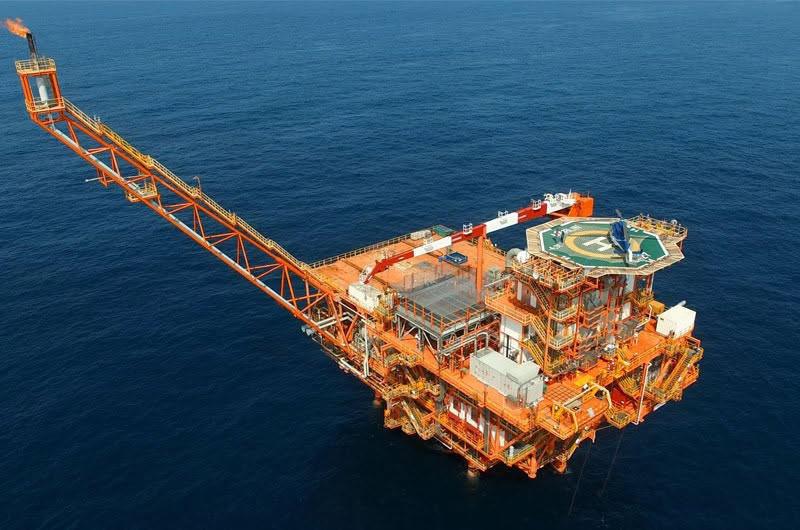
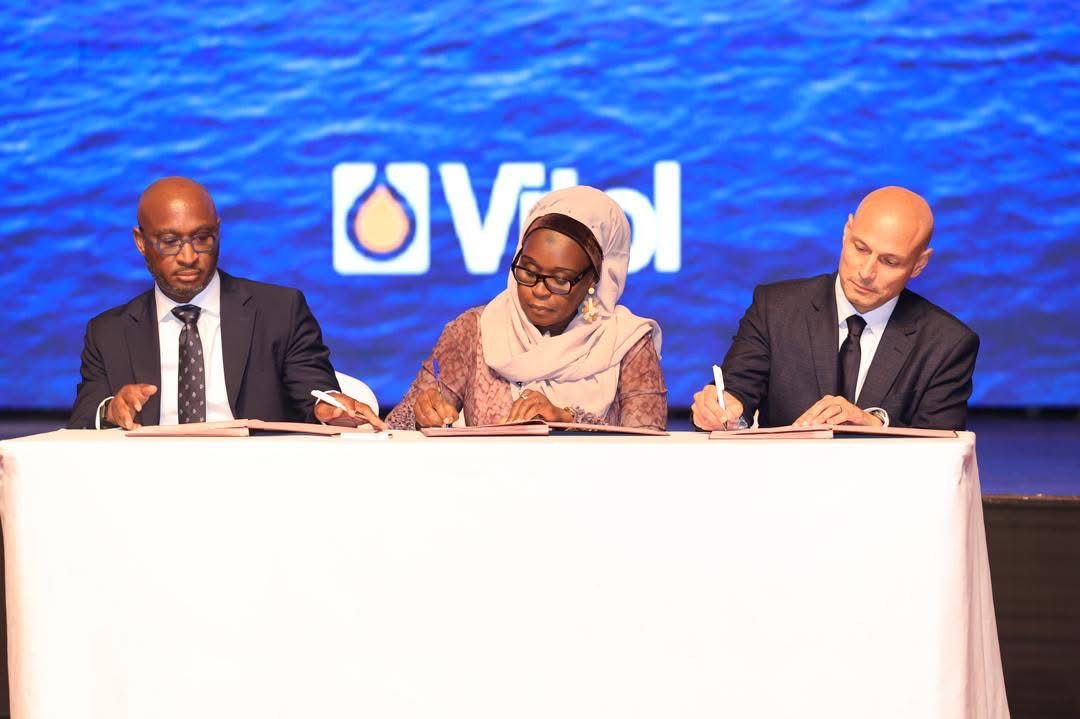
Eight signatures between the Ivorian Government and the Brazilian giant Petrobras, world leader in the exploration and production of hydrocarbons in deep and ultra-deep waters, a single day, an assumed ambition, to become a regional energy hub. Never before has Côte d'Ivoire allocated so many oil blocks to a single operator, in a single ceremony. The 8 permits concerned, CI-513, CI-600, CI-601, CI-602, CI-603, CI-605, CI-701 and CI-702, are located in the western part of the national sedimentary basin, under water columns ranging from 1,500 to 4,000 meters. A until now largely virgin area, which Petrobras is now committed to exploring with its recognized know-how in ultra-deep offshore, notably acquired in Brazil on the pre-salt deposits. In terms of capital, the Brazilian major, via its subsidiary Petrobras Netherlands B.V., holds 90% of the interests and ensures the operability of the blocks, while Petroci Holding retains 10% from the start, with a paid option allowing it to increase its share to 25% in the event of a commercial discovery. Production sharing has been calibrated to preserve national interests, some 62.5% will return to the Ivorian party against 37.5% to Petrobras, once costs have been recovered. the initial financial commitment of more than 250 billion CFA francs, intended for the acquisition of latest generation seismic data and the realization of at least 8 drillings in very deep waters. This envelope illustrates the confidence placed in the Ivorian geological potential, at a time when the country is seeking to diversify its partners after the discoveries of the Baleine and Calao fields. With this signature, the occupancy rate of the Ivorian sedimentary basin rises to 75%, or around 63,000 km² now covered by oil contracts, compared to 34,000 km² for the Petrobras blocks alone. A significant leap which places Côte d'Ivoire on the map of African jurisdictions courted by international majors.
Thus, Abidjan is not content with attracting capital, by banking on the offshore expertise of Petrobras. It consolidates its ambition as a regional energy hub, driven by economic diplomacy which multiplies strategic alliances in the Gulf of Guinea.