 English
 Français
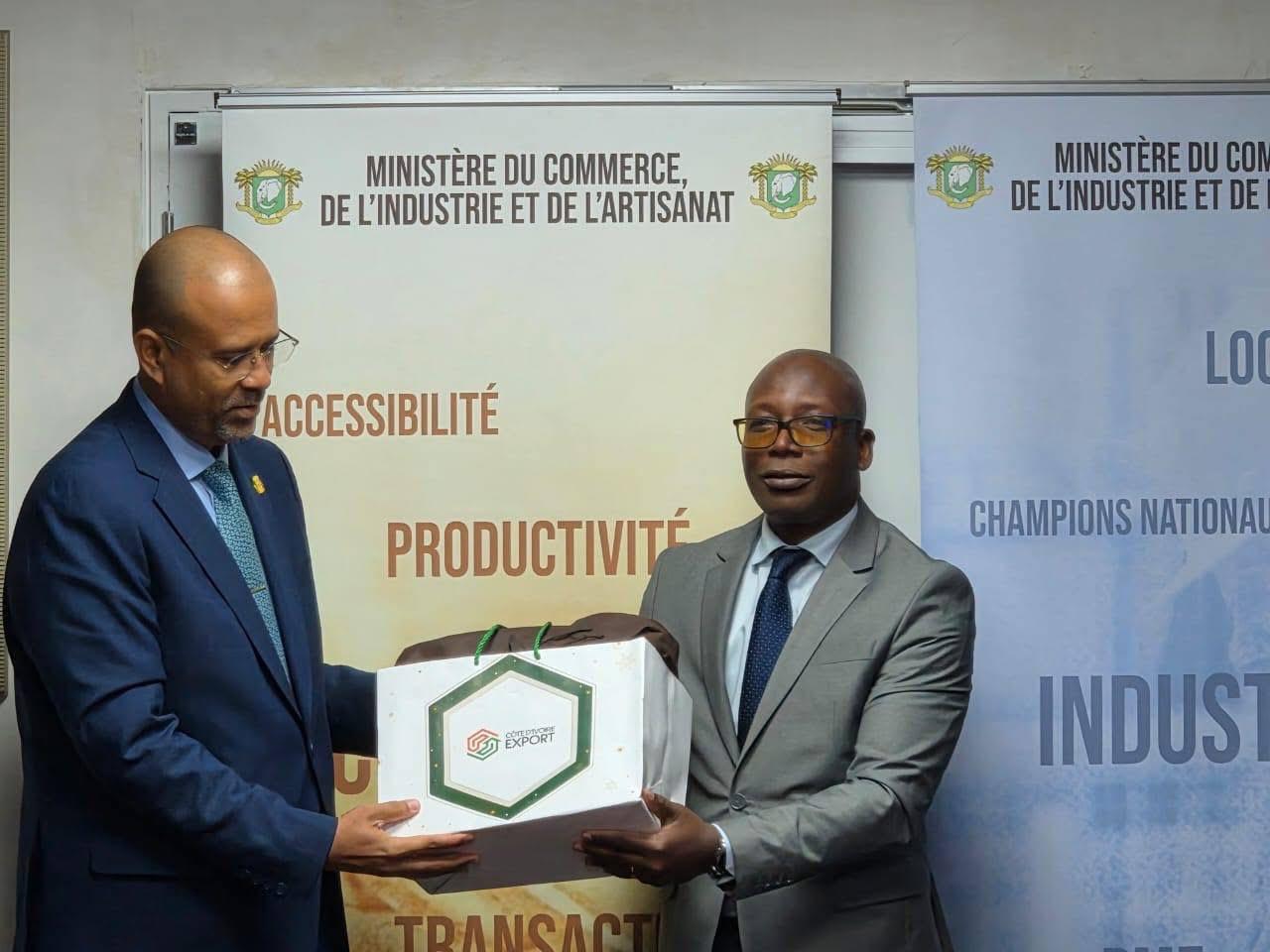
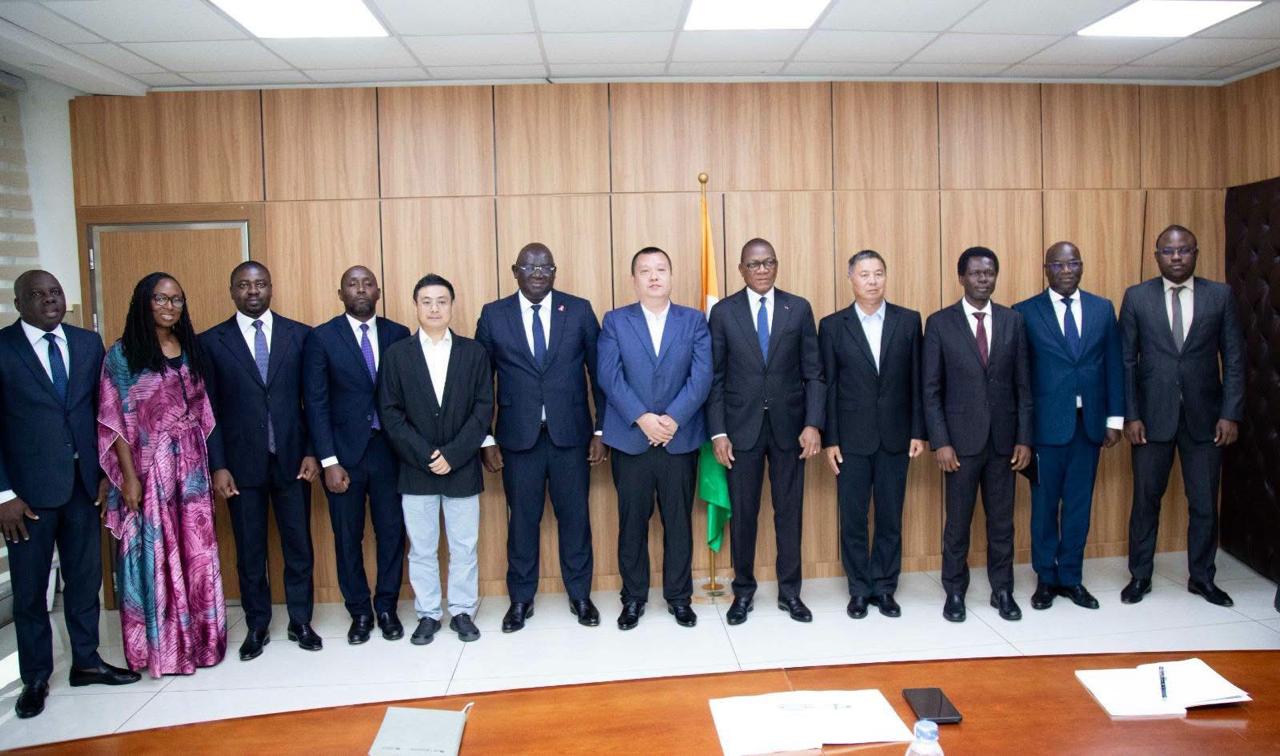
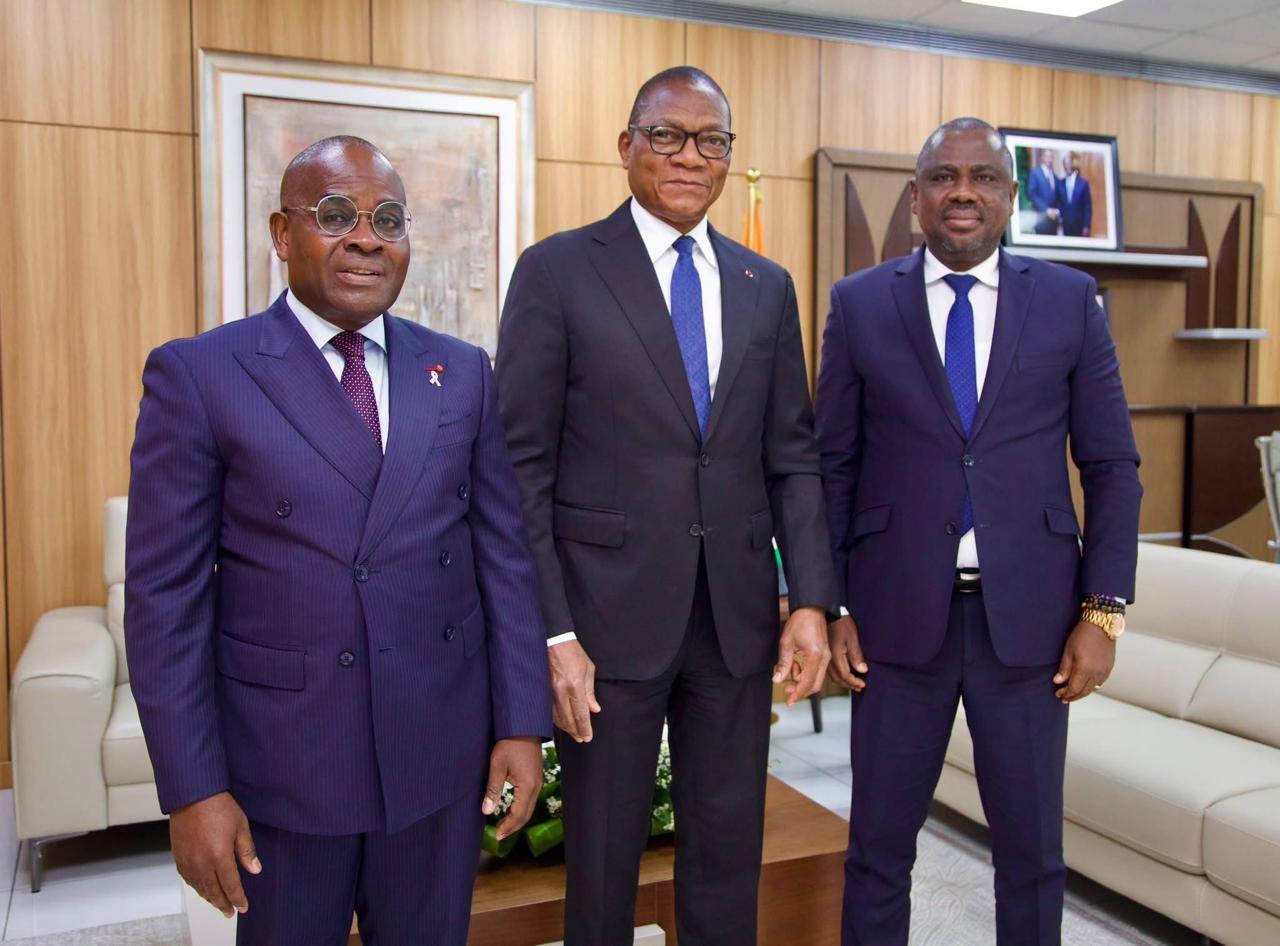
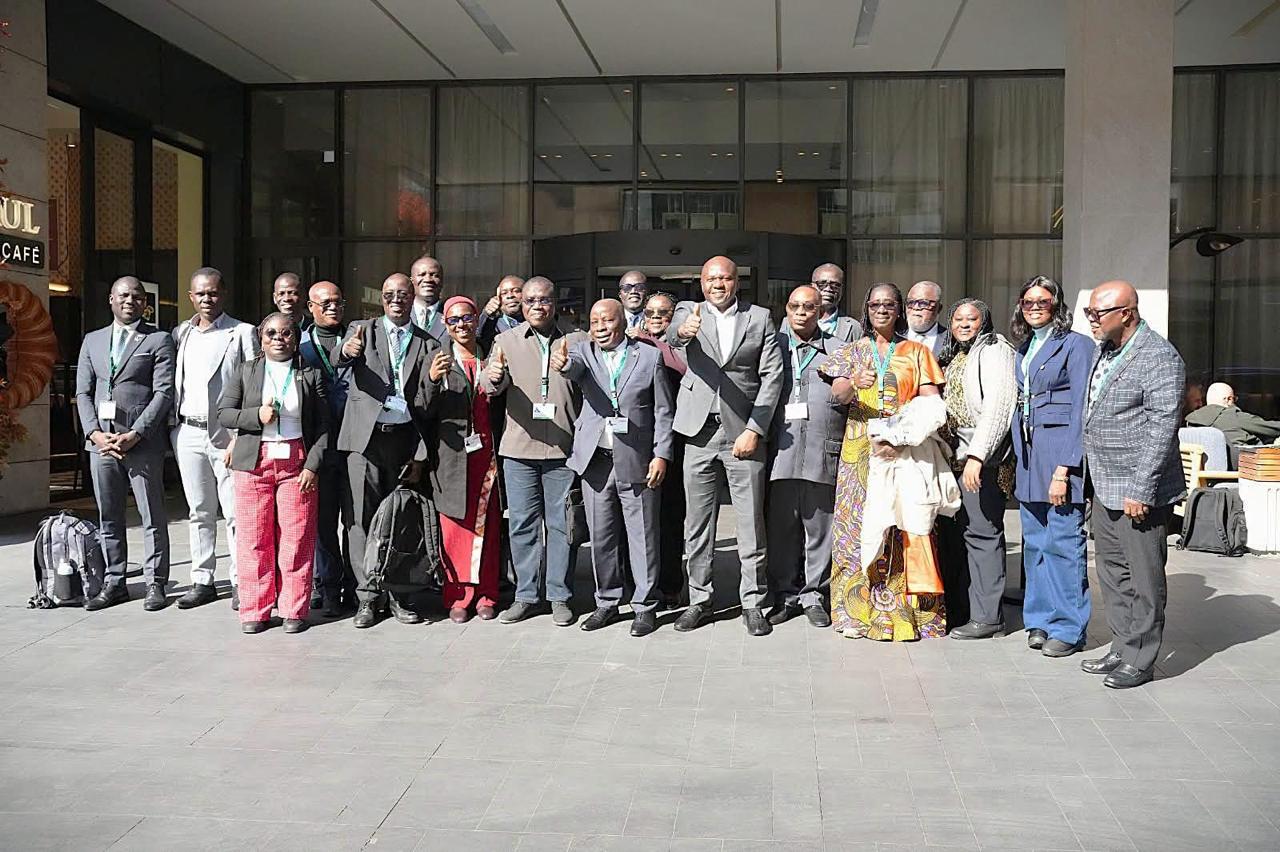
When the industry looks for models, it sometimes knocks on the doors of those who have already blazed the trail. Indeed, it was in Abidjan that the Congo came to consult the Ivorian road map. Among the illustrious hosts of a large delegation arriving on October 26 was Michel Djombo Balombelly, Minister of Industrial Development, Special Economic Zones and Private Sector Promotion. He stopped off at the office of his Ivorian counterpart. As Minister Kalil Konaté was traveling, the Chief of Staff, Raymond Assoua, received the delegation. The visitor wanted to be inspired by Ivorian industrialization policies. The Director General of Industry, Tra Bi Emmanuel, presented the orientations of industrial policy.Three priorities stand out, namely the local processing of raw materials, the development of value chains and the development of industrial infrastructure. Cocoa and cashew benefit from a particular accent. The ambition is to transform at least 50% locally before exporting.
The figures show the progress made. The President of the Republic, H.E Alassane OUATTARA recently cited a cocoa transformation of 41% for the 2024-2025 campaign. For cashew nuts, the processed share reaches around 43%, compared to 2% in 2012. The installed cocoa grinding capacity increased from around 530,000 tonnes in 2011 to more than a million in 2024. Mamadou Diomandé, from SOGEDI, presented the policy of integrated industrial zones.It provides for the extension of zones in the regions and the creation of agro-industrial and commercial ecosystems. The National Program for tutoring and building national champions, intended for SMEs, was also mentioned.
For Brazzaville, which relies on special economic zones and the private sector, this step offers concrete feedback. For Abidjan, it illustrates the interest that its industrialization model arouses among its African neighbors.