 English
 Français

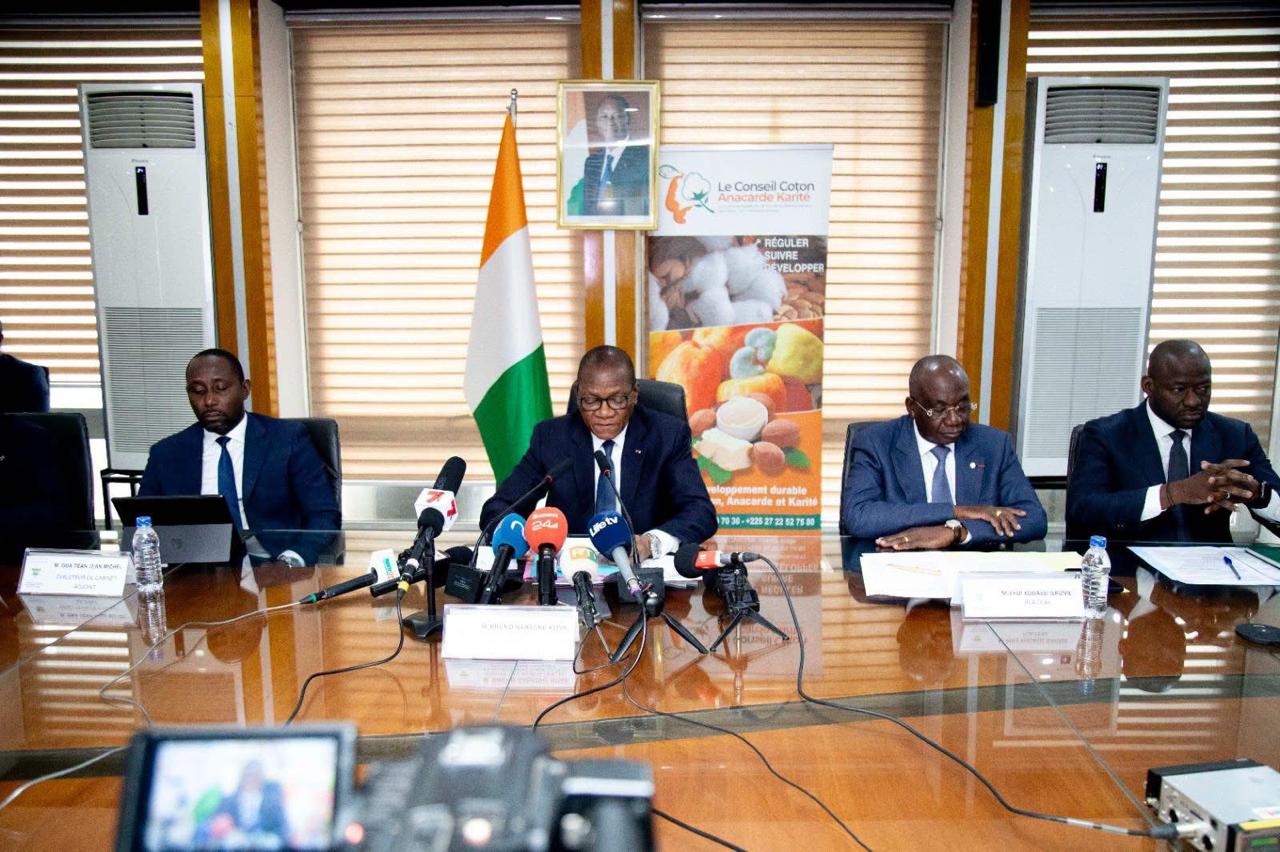
The Ivorian Government has chosen to support livestock production rather than tax revenues in a segment considered strategic. During the major meetings of the Ivorian Press Agency (AIP), the Minister of Animal and Fisheries Resources, Sidi Tiémoko Touré, announced the return to a 0% VAT rate on food intended for livestock as well as on inputs in their manufacture for the 2026-2027 financial year. This measure comes after several successive adjustments. Until 2025, these products were exempt from VAT. The 2026 tax annex ended this advantage, leading to the application of the standard rate of 18%. Faced with concerns from professionals, this rate was then reduced to 9% before announcing its total elimination.
The economic stakes are considerable. According to data relayed by the authorities, animal feed represents more than 60% of expenses incurred in livestock activities. For producers of poultry, cattle or farmed fish, any increase in the cost of inputs has a direct impact on production costs. The raw materials concerned include corn, soya and wheat, used in the manufacture of industrial animal feed. Part of these supplies remains dependent on imports, which already exposes the sector to fluctuations in international markets.
A lever for food sovereignty
Beyond the tax relief, the decision is part of a broader strategy to strengthen local production. The Ministry of Animal and Fisheries Resources seeks to reduce the country's dependence on imported meat, fish and milk. According to the objectives presented by the minister, the coverage of national needs by local production should increase from 36% to 75% by 2030.