 English
 Français


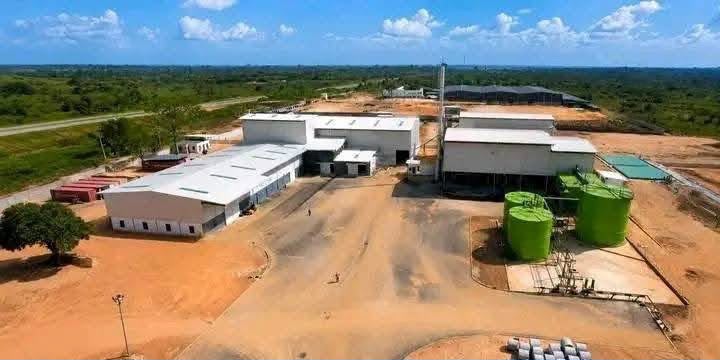
Ivorian gold is preparing to change status. Indeed, from a raw exported raw material, it will soon become a product processed on site, with the ambition of weighing heavily on the continental scene. This is the bet that the Ivorian government has just sealed. “The refining unit will enter into operation in the first half of 2027. At full operating capacity, it will process a quantity of gold almost equivalent to that of the planned industrial mines, or around one hundred tonnes,” declared Mamadou Sangafowa-Coulibaly, Minister of Mines, Oil and Energy, at the close of the coordination meeting on the operationalization of the Ivorian Precious Metals Company (SIMEP).The targeted volume is not trivial, it would correspond to almost the entire expected production of the country's future industrial mines, de facto declaring Côte d'Ivoire in a position to convert its mining growth into local added value, rather than continuing to export unprocessed ore.
According to the Minister, SIMEP responds to a structural imperative, "it is a key link in the rationalization and promotion of small mining that is being established.” Its scope of intervention is broad. It includes the direct exploitation of semi-industrial mines, the management of a national gold purchasing counter intended to collect artisanal and small-scale production, the processing of the metal, its marketing, as well as the constitution of a stock of gold on behalf of the State.This national counter will play a pivotal role. It will have to certify the origin of the gold collected from small producers and organize its secure transport to the future Abidjan refinery, while facilitating access for artisanal miners to financing and more efficient extraction techniques.
By focusing on local refining and the structuring of its mine, Abidjan intends to transform a long-informal sector into a real lever of economic sovereignty, with 2035 as the reference horizon for African gold leadership.