 English
 Français

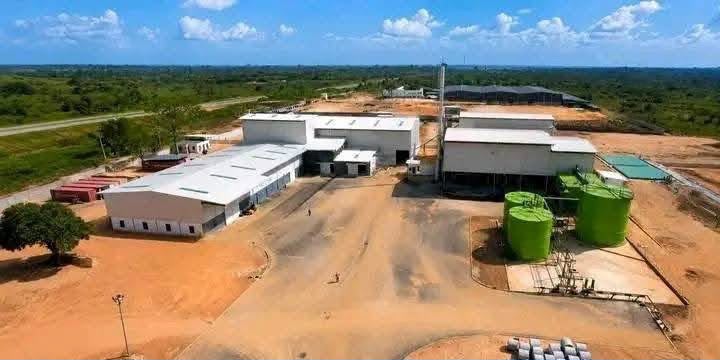
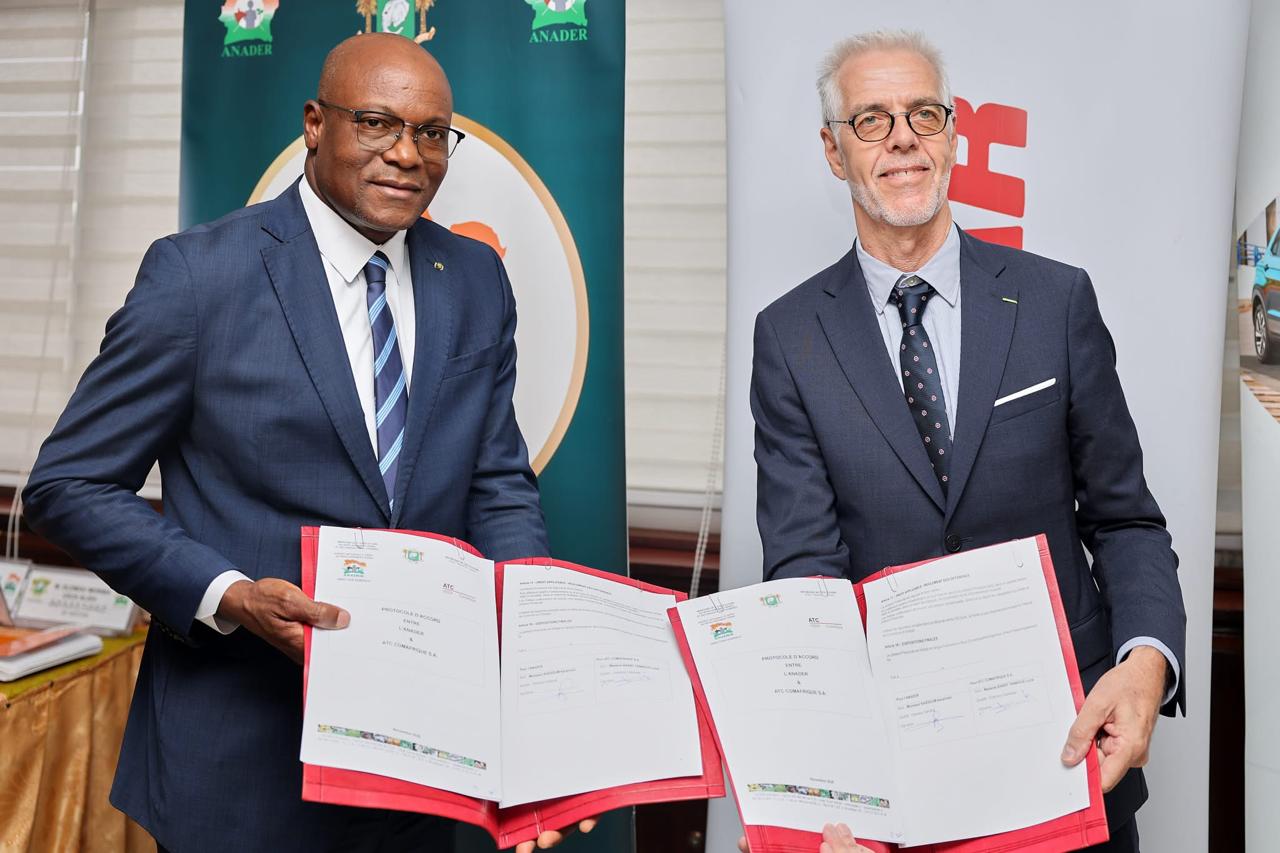
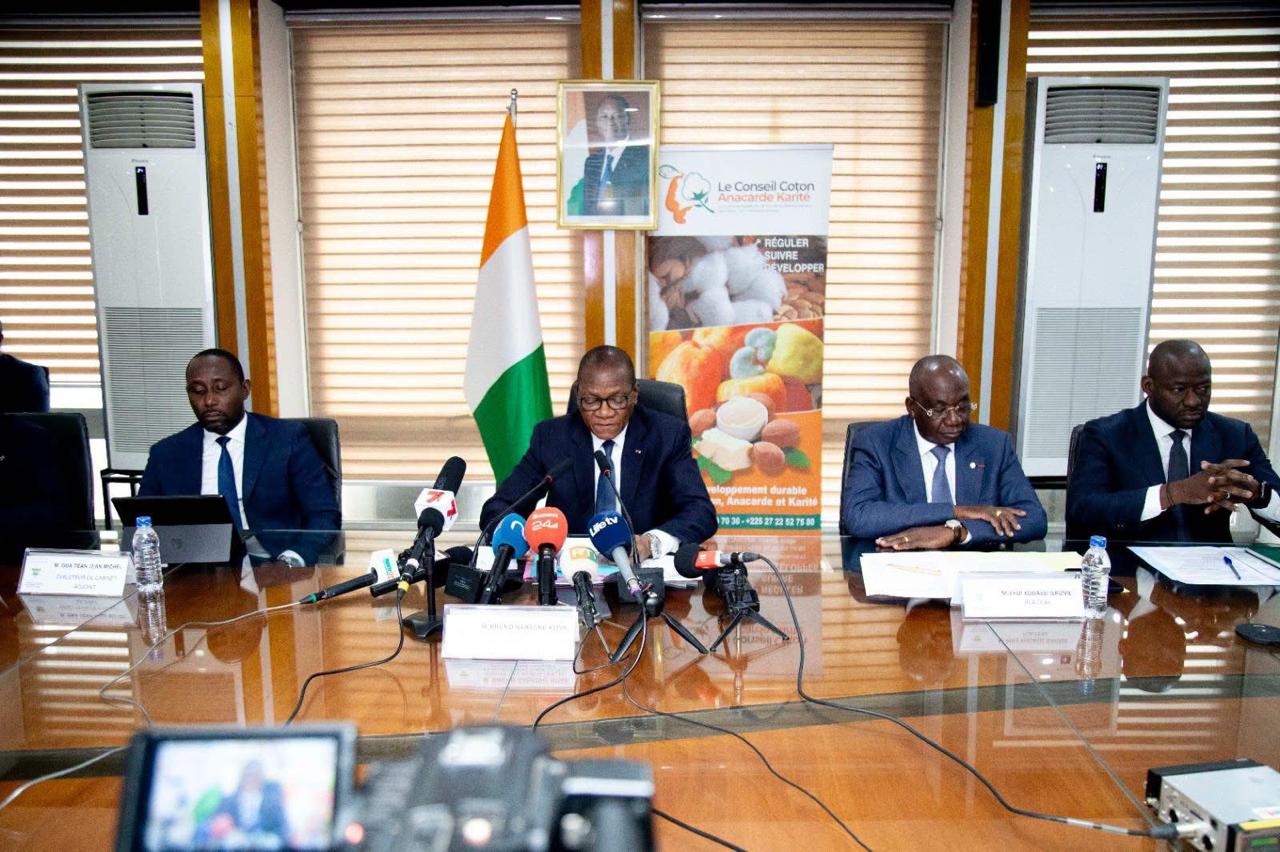
An investment of more than 42 billion CFA francs, or 75 million dollars, should allow Côte d'Ivoire to set up the largest unit in the world for producing Cardanol from cashew hulls. The project was the subject of a memorandum signed on September 11, 2026 in Abidjan, between the Coton Anacarde Council, the Center for the Promotion of Investments in Côte d'Ivoire (CEPICI) and the Indian group Essar Future Energie Ltd. According to the terms communicated, Essar Future Energie undertakes to invest this amount in the purchase of shells, the extraction of cashew shell liquid, called CNSL or cashew balsam, as well as in the production and export of these products. The economic interest of the project lies in the transformation of a by-product into an industrial raw material.CNSL contains in particular phenolic compounds, including cardanol, used in the manufacture of resins, coatings, adhesives and other industrial products. This orientation comes as Côte d’Ivoire develops its local cashew processing capacities. The sector is taking an increasingly important place in Ivorian agricultural production. Industrialization, however, generates significant quantities of shells, the management of which also constitutes an environmental issue.
A new interest for processors
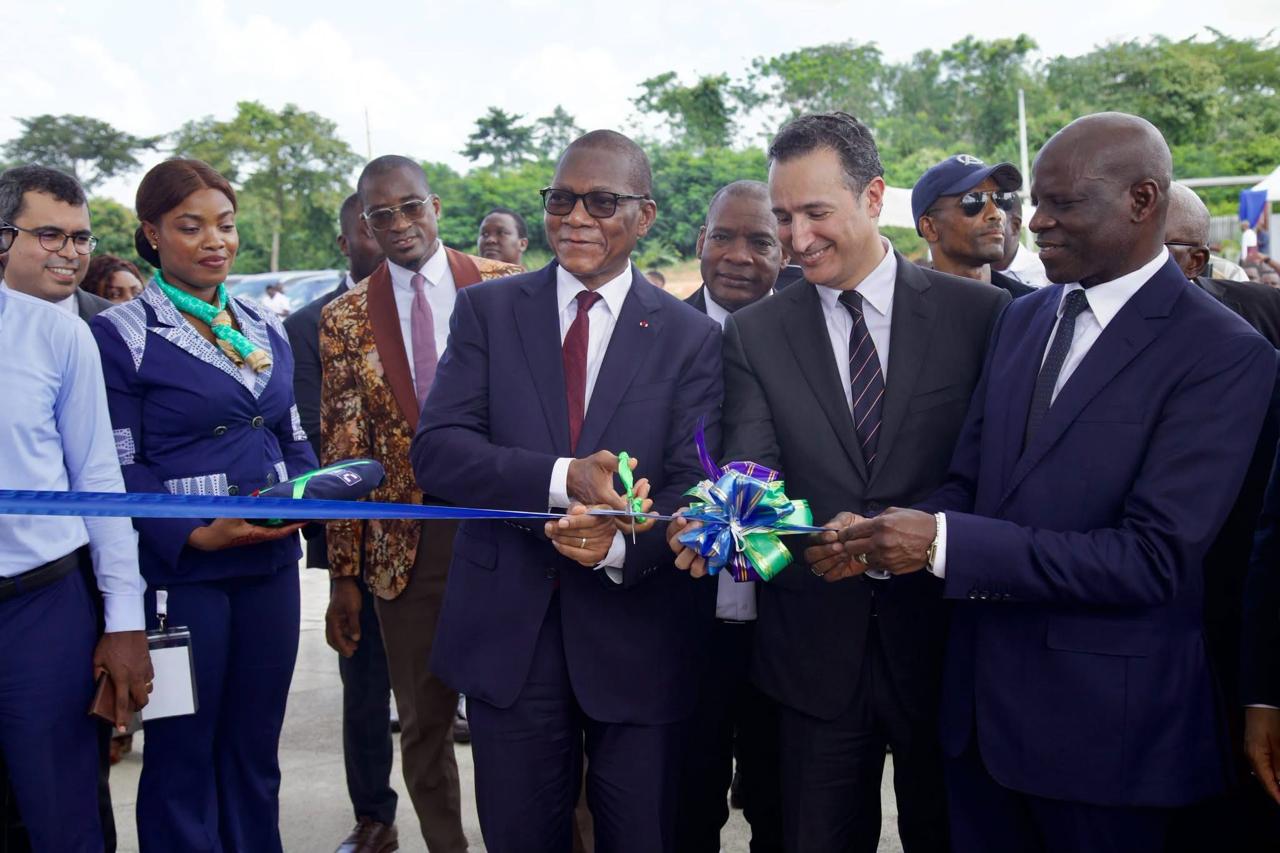
The project could thus create an additional market for shells produced by processing units.The statement said this demand could help improve their profitability and, indirectly, revenues within the value chain. The project takes place in a context of accelerated transformation of the sector. In June 2026, the country inaugurated in Attinguié, in the PK 31 industrial zone, the first commercial unit for biochar from cashew hulls in Africa, supported by Valency International. With a capacity of 20,000 tonnes of processed hulls for 6,000 tonnes of biochar per year, this installation was presented by the government as a new step towards sustainable industrialization.