 English
 Français

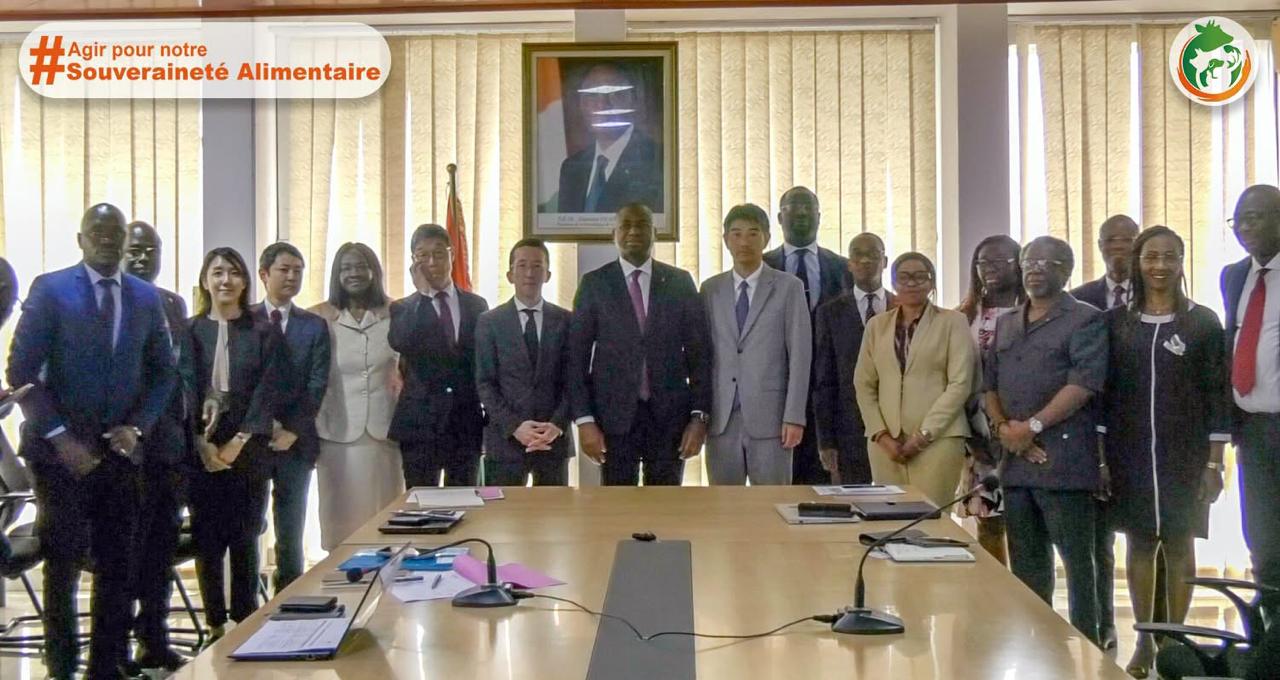
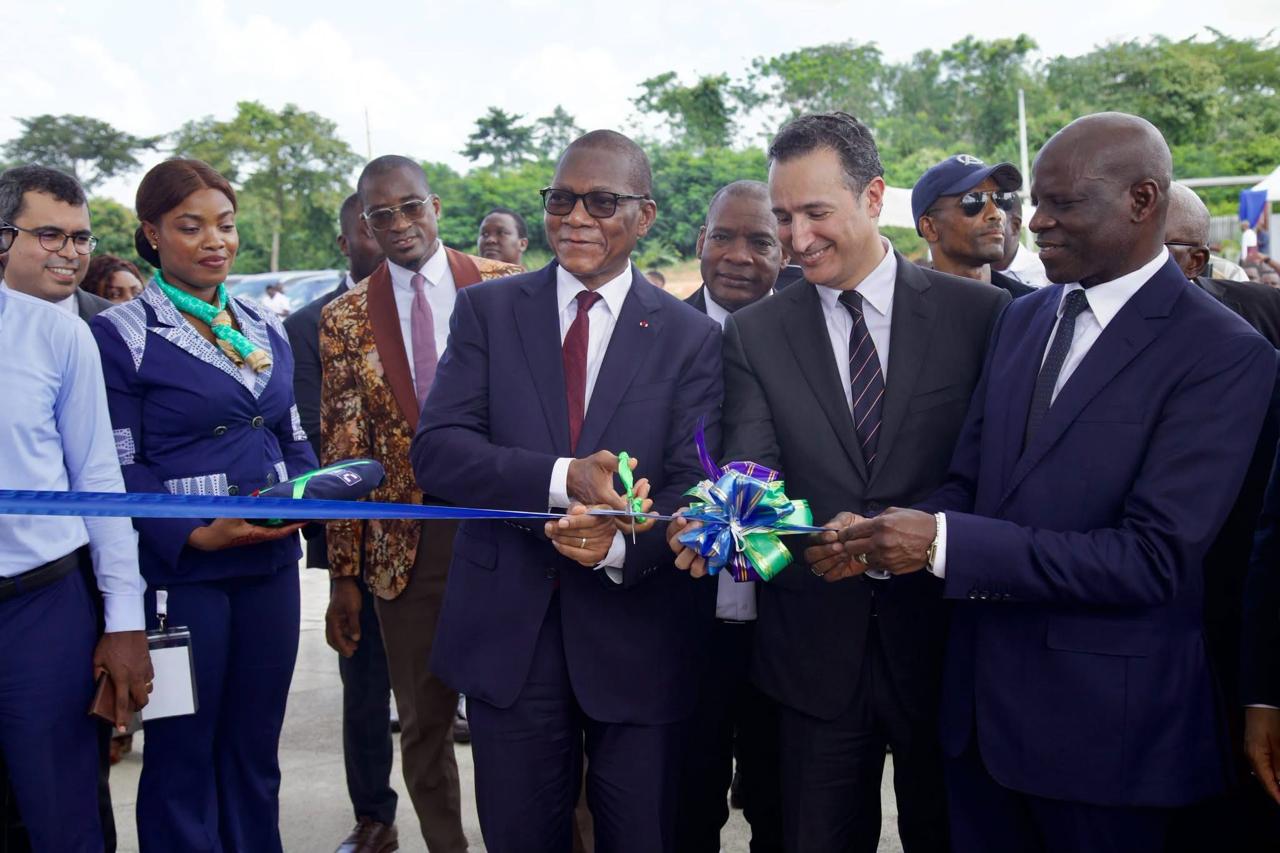
The Ministry of Animal and Fisheries Resources (MIRAH) and the Japan International Cooperation Agency (JICA) recently brought together administrative authorities and players in the fish farming sector for a seminar dedicated to the promotion of new investors in the Mé region. Organized as part of the second phase of the Continental Fish Production Revival Project (PREPICO2), the meeting was attended by JICA Deputy Resident Representative Kimiko Tsuchiya. Four themes structured the day, such as regulation, investment attractiveness, access to financing and production and marketing practices.
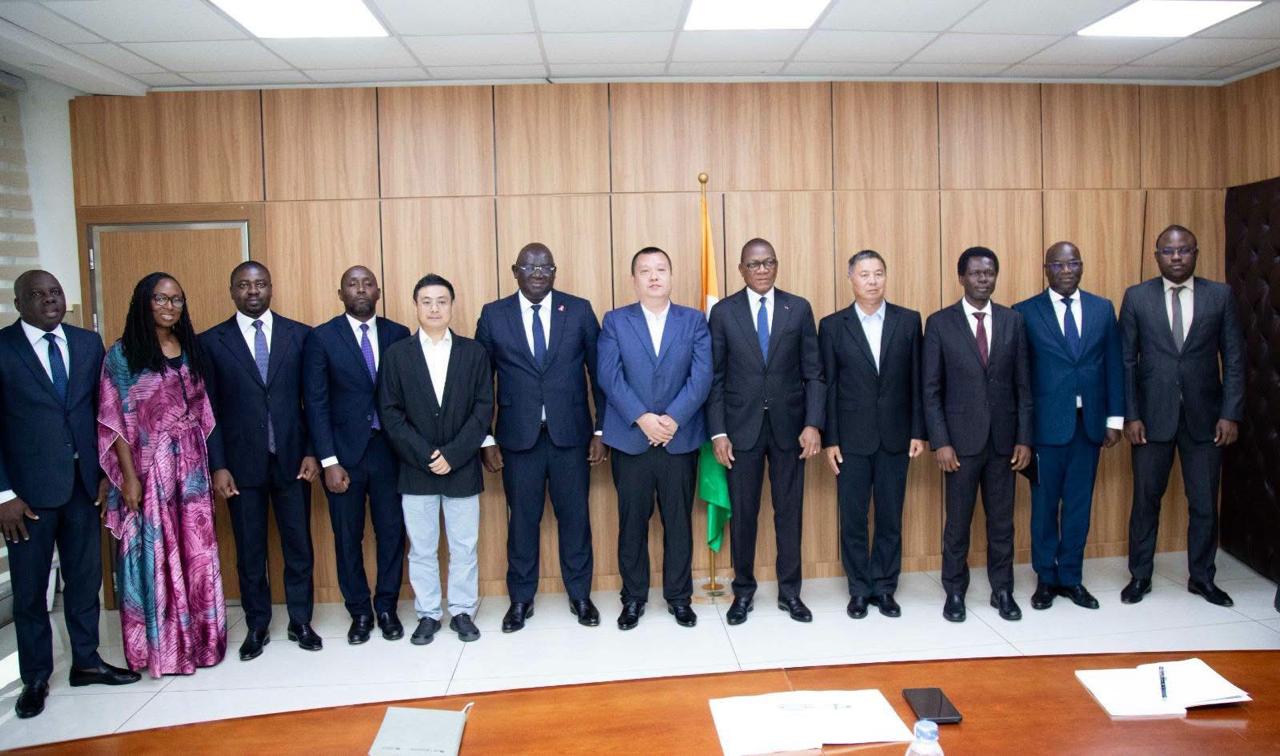
This meeting is part of a broader dynamic.Indeed, a month earlier, on July 22, 2026, Minister Sidi Tiémoko Touré had received a delegation from JICA led by Shinohara Shunei, West Africa manager of the agency, to prepare a Development Policy Support Project (DPL) in the aquaculture sector, intended to strengthen the competitiveness and performance of the sector. Also access to credit occupies a central place in the system, the Adzopé seminar associated the Center for the Promotion of Investments in Côte d'Ivoire (CEPICI) and the microfinance institution Advans CI to facilitate the installation of new operators. The ambition of PREPICO2, supported by Japan, is to increase national fish production from 1,800 to 8,000 tonnes by April 2027, in six target zones: Abidjan, Sud-Comoé, Grands-Ponts, Agnéby-Tiassa, Indénié-Djuablin and Mé.Other similar seminars have already taken place, notably in Dabou in March 2026, confirming a strategy deployed over several months and several regions rather than an isolated operation.
Thus, by focusing on investor training, simplification of access to financing and Japanese institutional support, the MIRAH intends to make fish farming a lever of sovereignty food. It remains to transform these commitments into actual production, while Côte d'Ivoire remains largely dependent on imports of fishery products.