 English
 Français


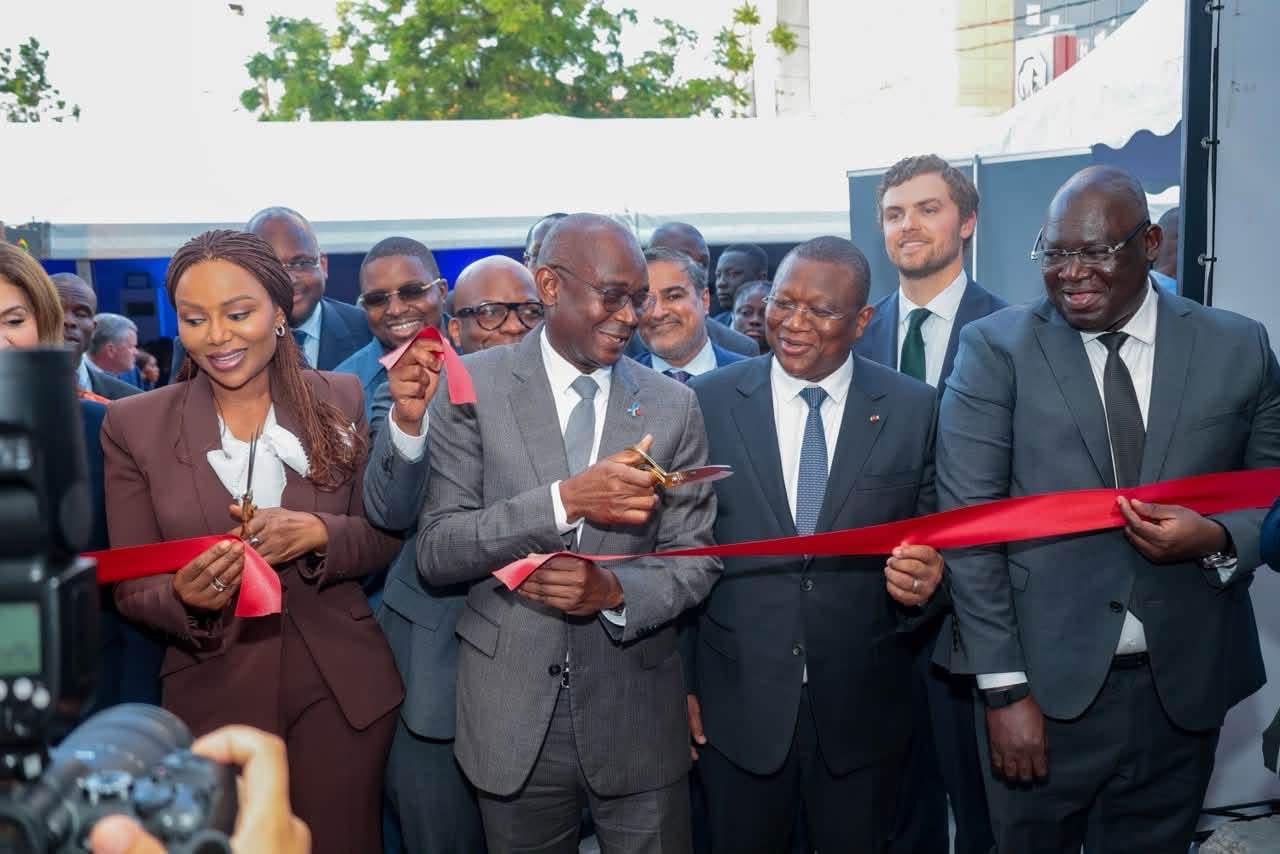
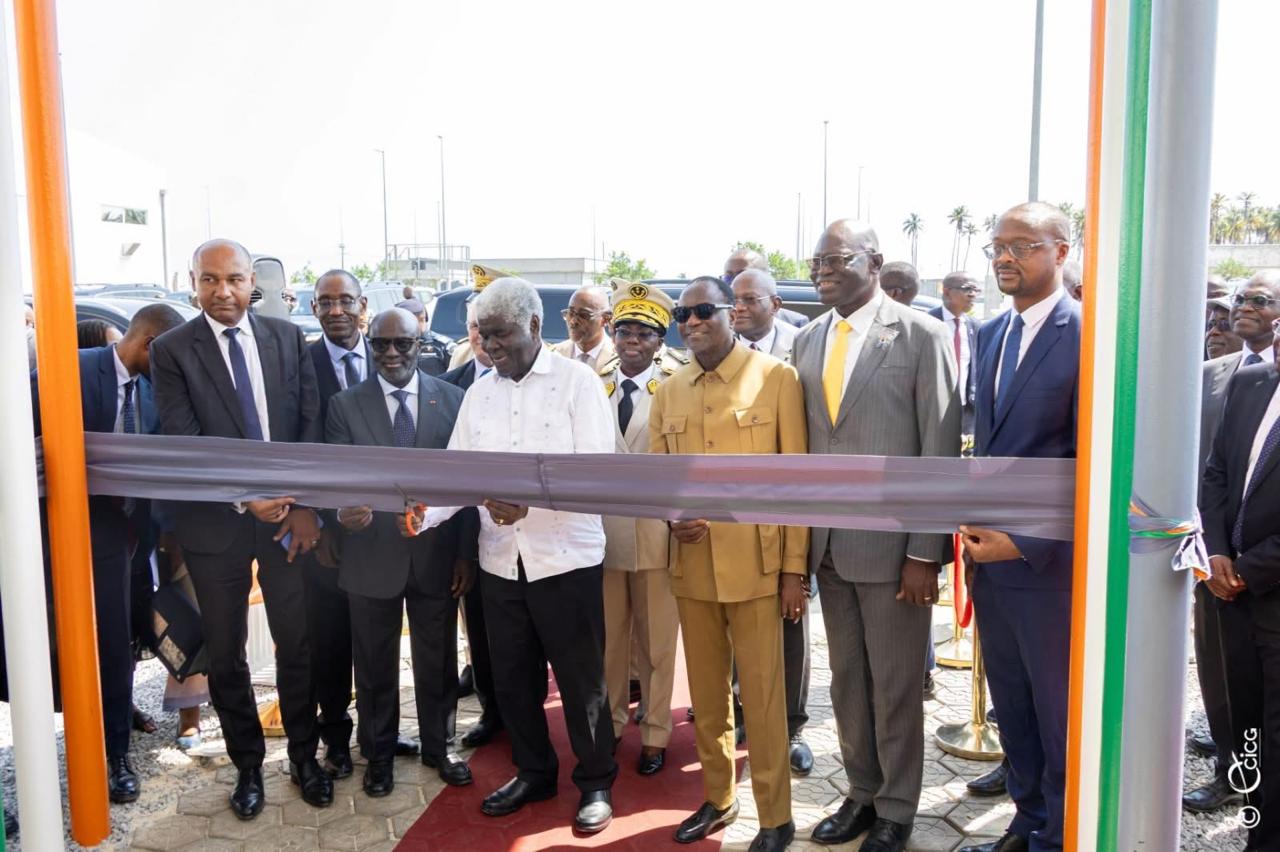
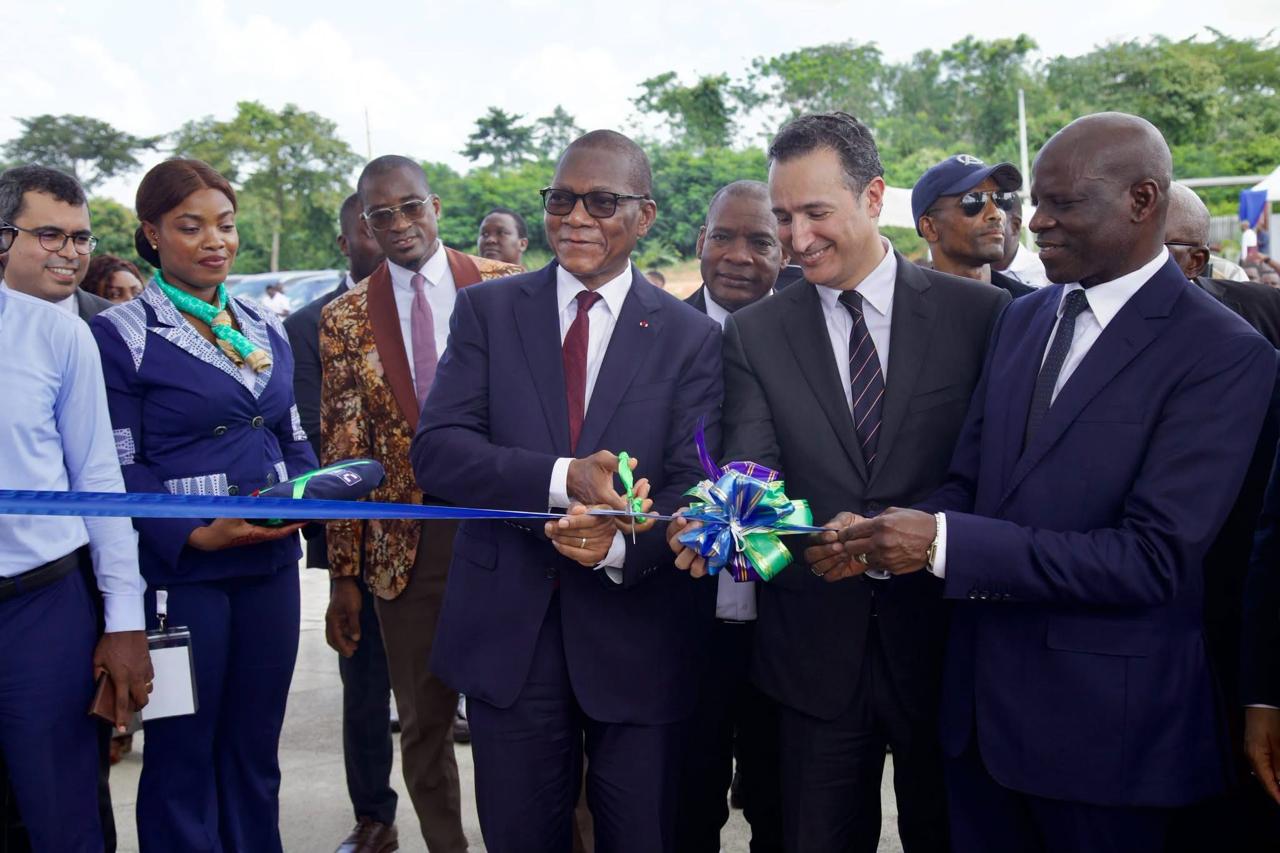
Work on the future liquefied natural gas (LNG) thermal power plant was launched a few days ago, in the presence of the Director General of the Autonomous Port of San Pedro, local administrative and customary authorities, as well as representatives of CI-ÉNERGIES and the Ministry of Mines, Oil and Energy (MMPE), project owner. This institutional mobilization reflects the strategic importance given to this infrastructure, intended to sustainably strengthen the electricity supply in a region already oriented towards the port and agro-industrial industry.
Speaking on behalf of the General Director of CI-ÉNERGIES, the Director of Production detailed the schedule for ramping up the power plant.A first tranche of 40 megawatts (MW) is expected from December 2026, before a significant jump to 250 MW in June 2027. Capacity should then reach 600 MW in 2028, to peak at 1,000 MW by 2030, a volume comparable to the largest thermal units in the country, such as that of Azito which reached 640 MW after its phase 4. is part of the national ambition to double the installed capacity of the Ivorian electricity fleet, from 2,229 MW in 2020 to around 3,019 MW in 2024, with a target of more than 4,500 MW in 2030.
To enable the construction of this infrastructure, the Autonomous Port of San Pedro has ceded nearly 100 hectares of its port domain.Specific developments are also planned for existing port installations in order to secure the supply of liquefied natural gas and to facilitate the future operation of the plant, in continuation of the synergies already established between the port and energy developers in the area.
By focusing on LNG, Ivory Coast is aligning this project with its climate commitments while responding to the urgent need to secure its electricity supply. The Poro site thus becomes one of the markers of national energy policy for the years to come.