 English
 Français

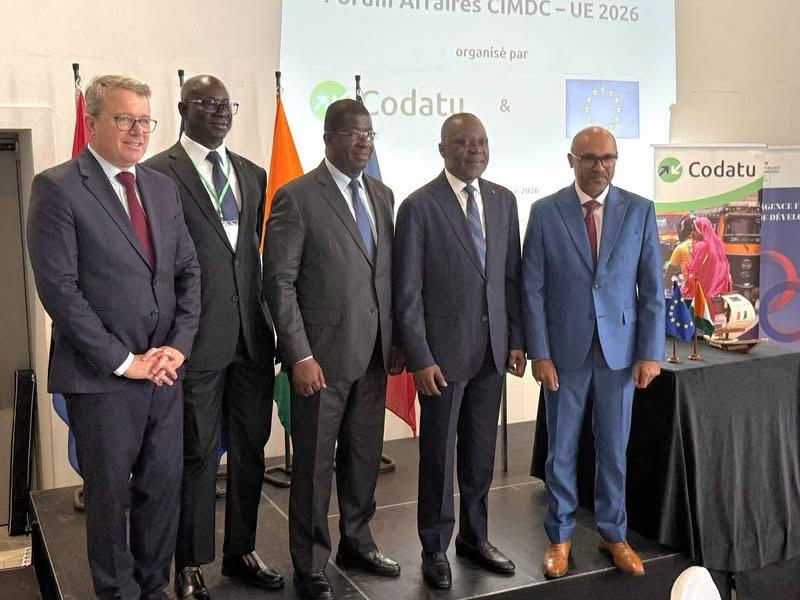
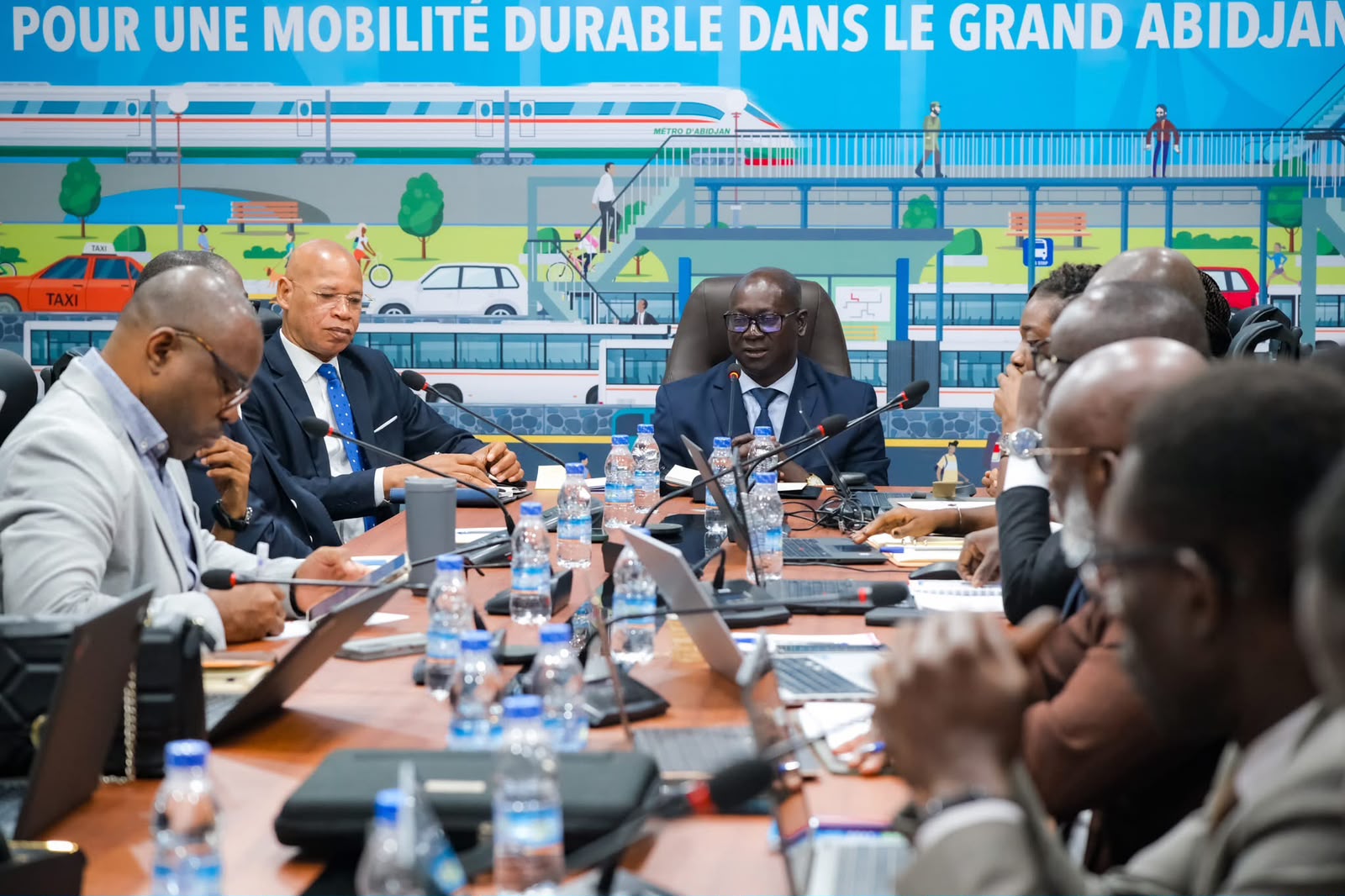
Water could soon unclog Abidjan's asphalt. Indeed, endless traffic jams, long journeys, surrounding nuisances, the Ivorian economic capital has been seeking for several years to loosen the road stranglehold that weighs on its inhabitants. Faced with this observation, the Urban Mobility Authority in Greater Abidjan (AMUGA) has made lagoon transport one of the major levers of its integrated mobility policy. The potential is immense but still largely underexploited. According to data presented in March 2026 by the Director General of AMUGA, Romain Kouakou, to a panel of investors, current lagoon traffic peaks at around 120,000 travelers per day, while the Ébrié lagoon could, ultimately, absorb up to 530,000 daily trips.To achieve this, the Authority is considering an investment of around 500 million euros, including the construction of 21 new lagoon stations in Songon, Yopougon, Abobo-Doumé and Bingerville, as well as the development of navigation channels and the acquisition of around a hundred water buses.
It is in this dynamic that are part of the recent exchanges established in the Netherlands. Renowned for their mastery of river, port and maritime engineering, the Dutch partners provide valuable technical know-how to design modern, secure and environmentally friendly lagoon infrastructures.These discussions allow AMUGA to explore innovative technical and financial arrangements, like the collaborations already initiated with the French Development Agency, the BNETD or the Telecommunications Regulatory Authority of Côte d'Ivoire, as part of the Abidjan Intermodality project. The ambition goes beyond the sole question of transport by boat. The final objective is to bring together the future metro, the Bus Rapid Transit, buses and water buses within the same interoperable network, articulated around multimodal exchange hubs distributed throughout Greater Abidjan. Abidjan mobility, serving a more fluid and sustainable metropolis.