 English
 Français


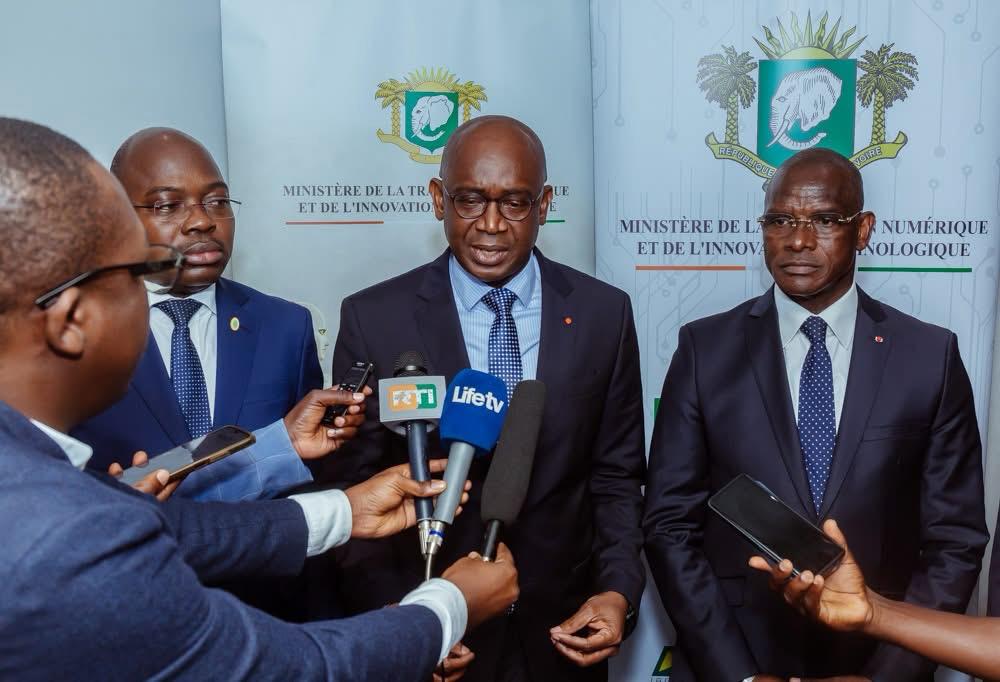
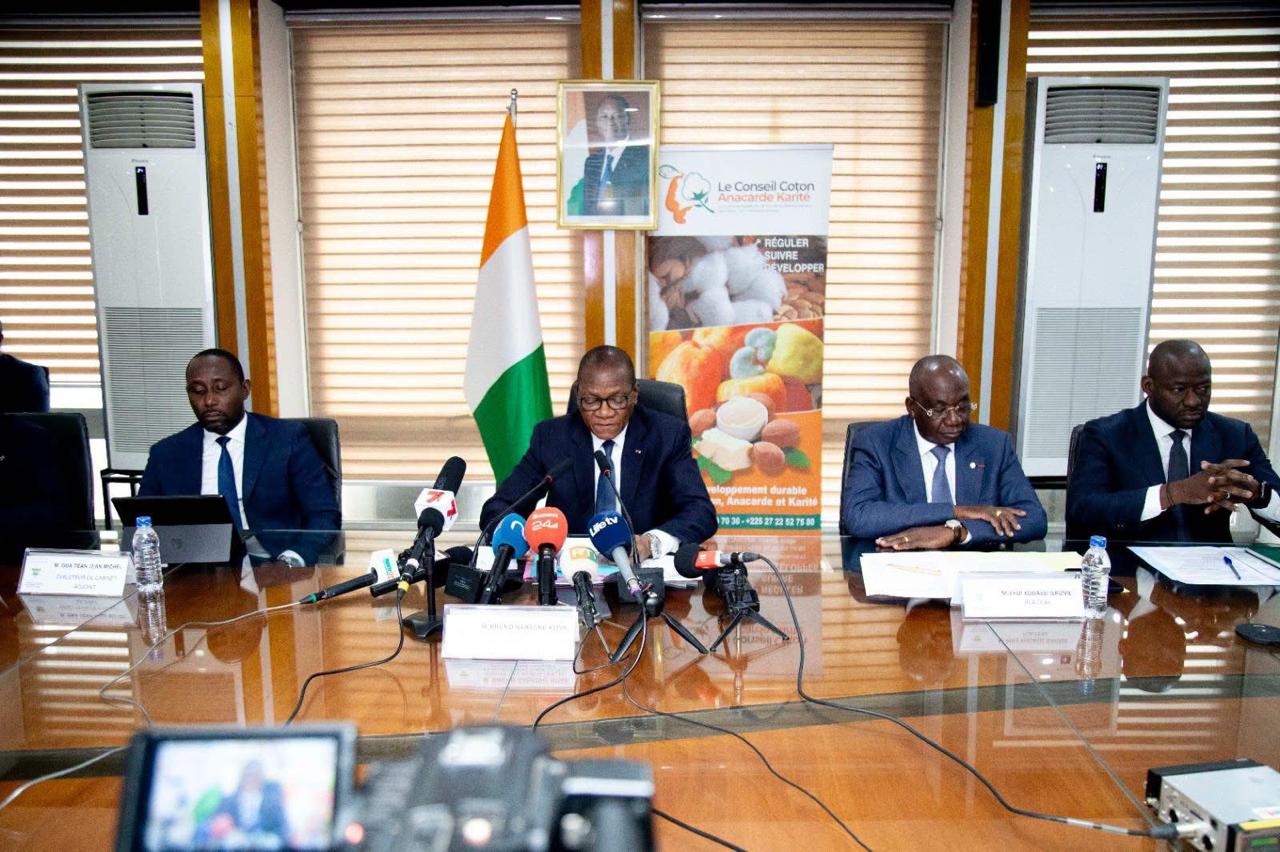
A long queue, a form to be stamped three times, a trip for a simple criminal record extract. The State is finally promising to make this administrative ordeal that millions of Ivorians are experiencing disappear. “We must digitalize 700 services because our fellow citizens need these services on a daily basis,” he declared before representatives of more than 50 state institutions gathered for the National Workshop for Prioritization of Digital Public Services and Definition of the Roadmap for Digital Public Infrastructure (DPI).
Behind this announcement, a straightforward observation: of the 620 public services identified to date, only a handful actually operate online.The Minister also recognized that the administration's previous digital projects were moving forward "in scattered order", following available funding more than the real needs of users.
The challenge of this two-day workshop was therefore not to multiply the announcements, but to sort them. Of the 140 services examined in depth by 9 working groups, 59 were deemed sufficiently high priority to be engaged quickly, with the ambition of constituting an initial portfolio of around a hundred digitized services.Three pillars structure the roadmap that should result from this, namely a unique digital identity for each citizen, an interoperability platform allowing administrations to exchange their data securely, and a national inventory of public digital infrastructures, carried out with the support of the World Bank. The government sees this as the first step towards a “paperless” administration, promised for 2030.
It remains to transform this political milestone into concrete uses. Going from around ten truly dematerialized procedures to 700 coordinated services in the next 3 years requires sustained investments, rigorous data governance and real adoption by users still accustomed to the physical counter. The Abidjan workshop will have laid the groundwork.