 English
 Français

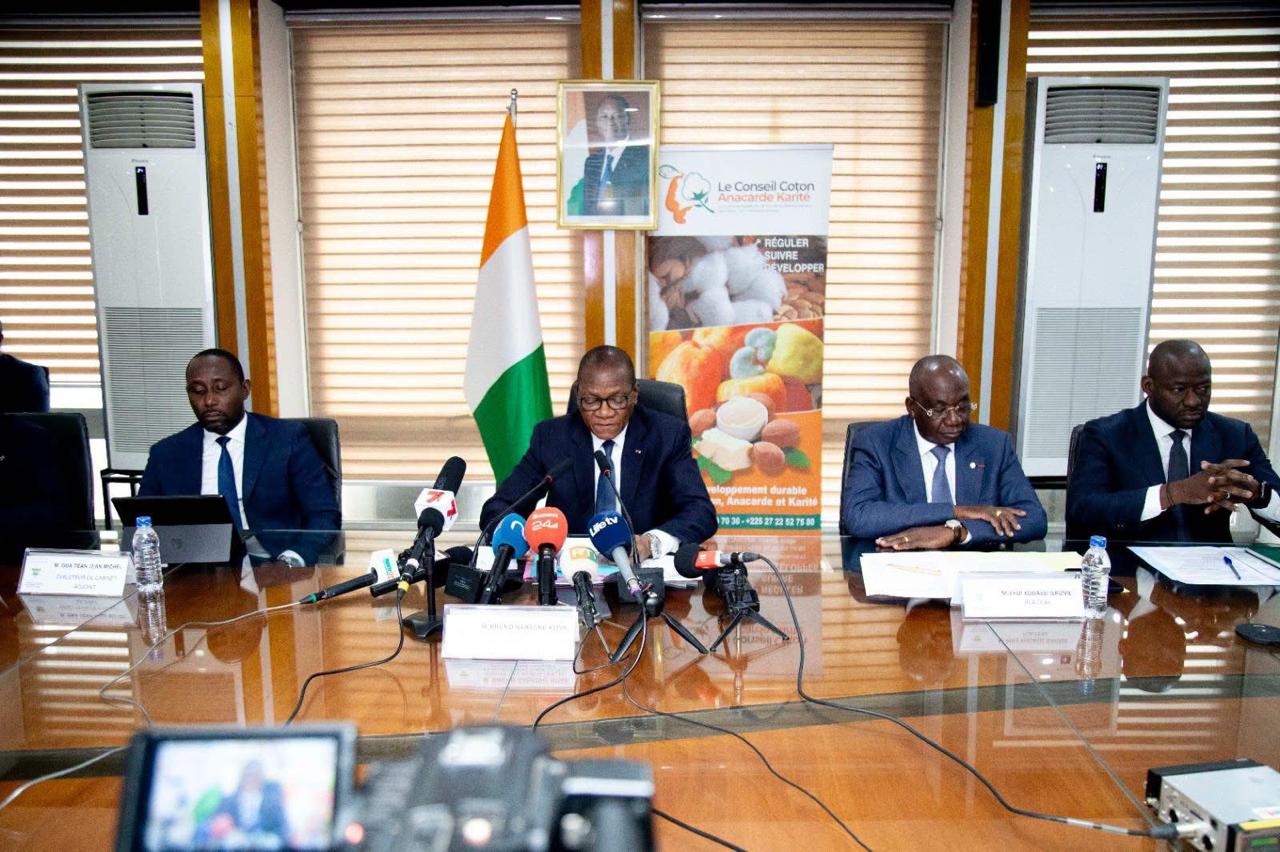
Côte d'Ivoire wants to give a new dimension to its beekeeping sector. Meeting on September 29, 2026 in Abidjan, stakeholders in the sector examined the results of a study commissioned by the National Export Council (CNE). The conclusions presented now place beekeeping among the activities capable of contributing to the diversification of the national agricultural economy. Representing the Minister of Commerce, Industry and Crafts, Laure Tchikaya estimated that the potential of the sector remains largely unknown. According to her, the issue goes beyond just honey production. The valorization of wax, propolis and royal jelly can also generate local added value and encourage the emergence of processing activities.
A sector which is progressing but remains slowed down
The data from the study show an encouraging development. The national rate of utilization of productive capacities increased from 11.9% in 2023 to 29% in 2025. This progression reflects a positive dynamic observed in several production zones. However, there is still considerable room for improvement. The study carried out in the regions of Bélier, Béré, Bagoué, Worodougou, Hambol and Iffou reveals that the cumulative effective capacity over three years reaches 391 tonnes. At the same time, the national theoretical potential exceeds 2,600 tons. This gap highlights several constraints. Producers face a shortage of modern equipment. Access to financing remains limited.The organization of the actors also remains insufficient. These difficulties slow down the professionalization of the sector and limit its competitiveness.
A value chain to build
For the CNE, the beekeeping sector must no longer be considered as a marginal activity. It can fuel several economic branches. Transformation, packaging, cosmetics, agri-food, pharmacopoeia and even the manufacturing of beekeeping equipment offer development prospects. The authorities now want to structure this value chain. The objective is to produce more, improve quality and develop local processing. This strategy also aims to strengthen the presence of women and young people in the sector.
Through this orientation, the State seeks to make beekeeping a complement to major export crops. The challenge remains significant. But the identified potential confirms that the hive could tomorrow occupy a more visible place in the Ivorian agricultural economy.