
80 result(s) for “Première ablation de fibrillation auriculaire”
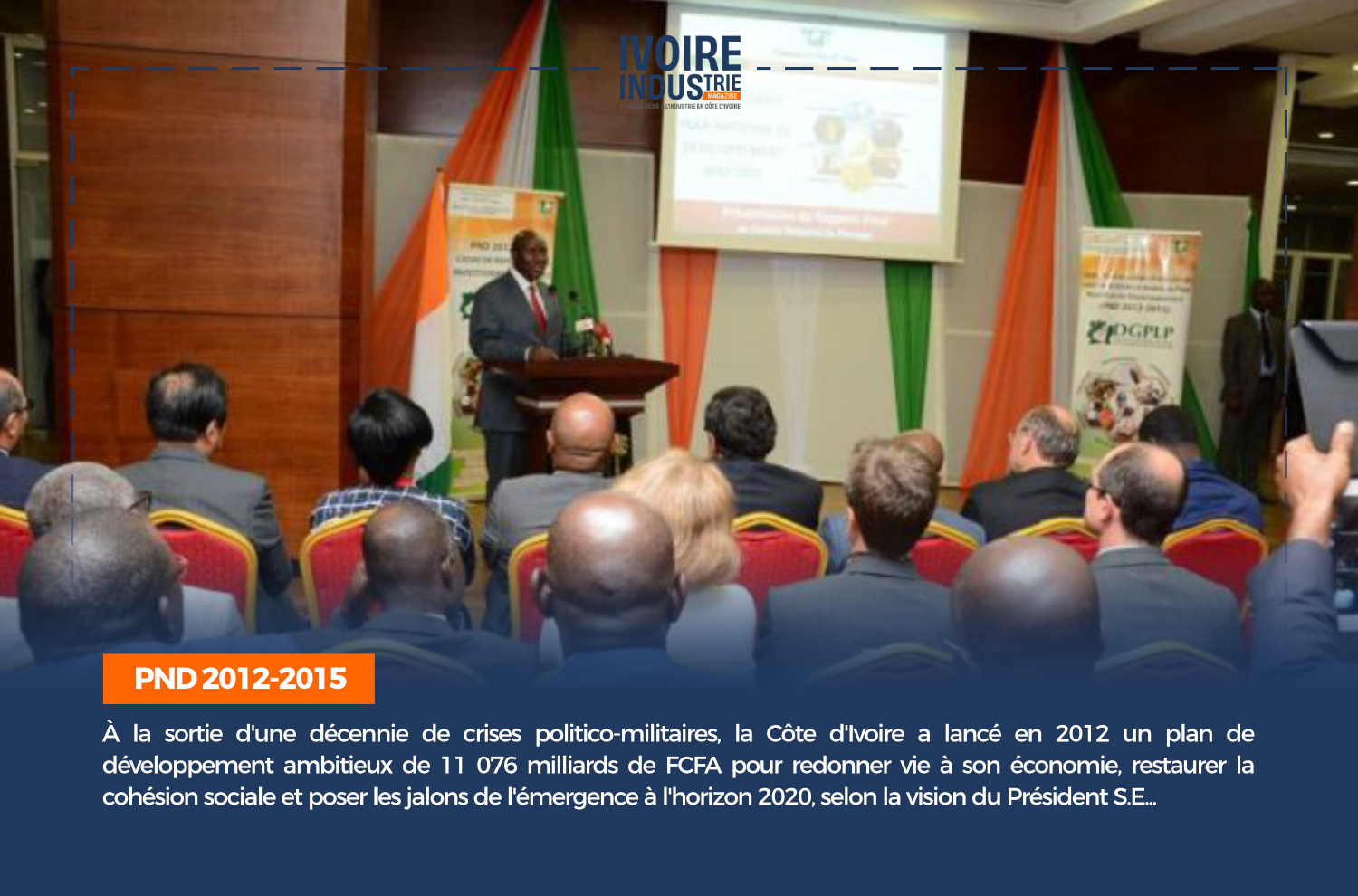
At the end of a decade of political-military crises, Côte d'Ivoire launched in 2012 an ambitious development plan of 11,076 billion FCFA to revive its economy, restore social cohesion and lay the foundations for emergence by 2020, according to the vision of the Head of State H.E Alassane OUATTARA. Four years later, the...

Ivory Coast is accelerating its industrial transformation by structuring the territory around a constellation of zones dedicated to factories, long concentrated around Abidjan and now extended towards the interior of the country. From the old Koumassi area to the new Akoupé-Zeudji PK24 platform, via Yopougon, Bouaké or...
After a dark decade marked by socio-political crises, Côte d'Ivoire initiated between 2010 and 2020 one of the most spectacular industrial transformations in West Africa. Driven by strong political will, a booming agro-industry and massive investments in infrastructure, the Ivorian economy has made a remarkable recover...

On January 12, 1994, a decision from Dakar shattered the monetary certainties of 14 African countries. The CFA franc suddenly loses 50% of its value against the French franc. For Ivory Coast, the largest economy in the West African Economic and Monetary Union (UEMOA), it is both a painful electric shock and a structura...
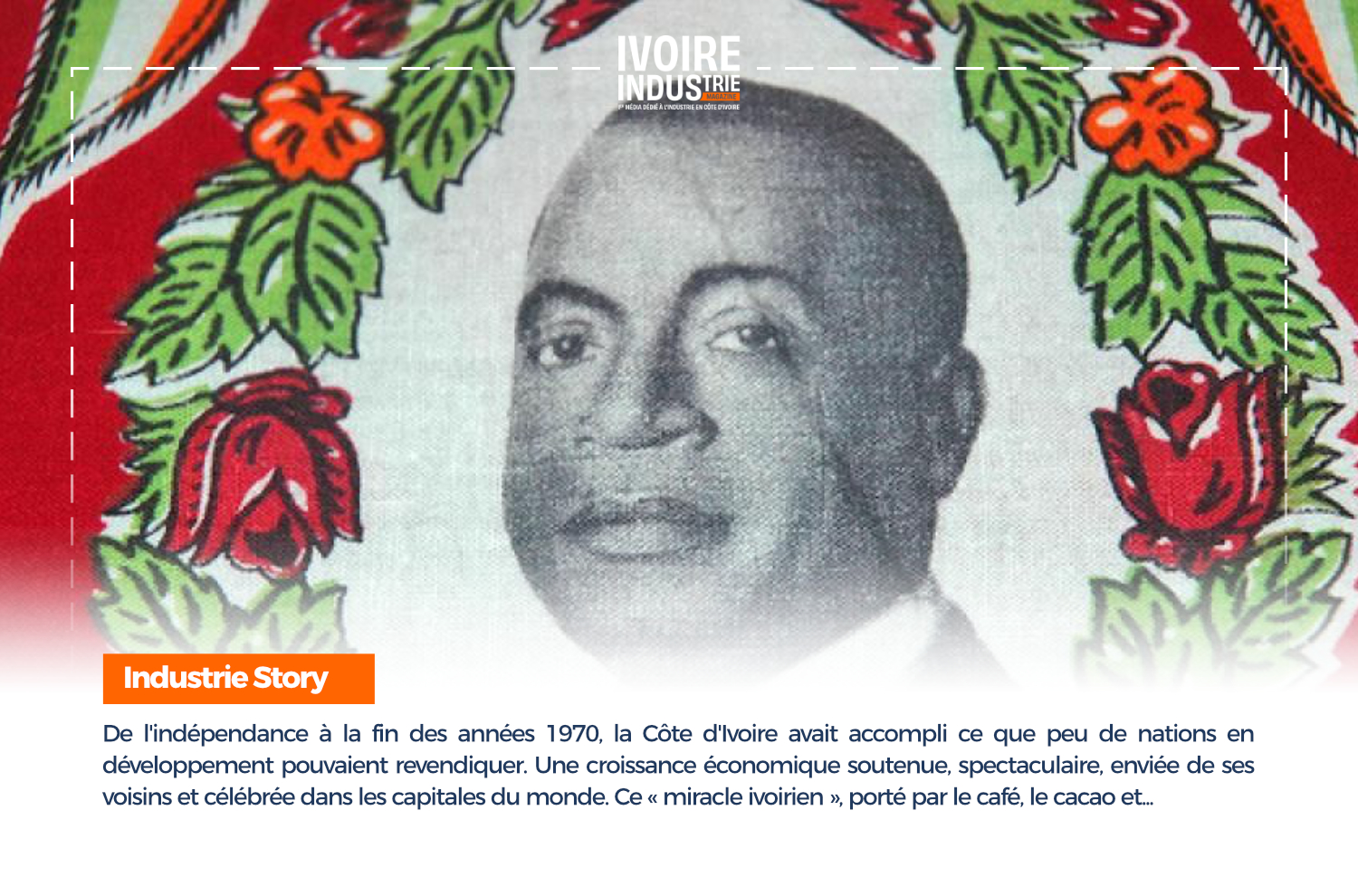
From independence to the late 1970s, Ivory Coast had accomplished what few developing nations could claim. Sustained, spectacular economic growth, envied by its neighbors and celebrated in the capitals of the world. This “Ivorian miracle”, driven by coffee, cocoa and a liberal political will, remains one of the most da...
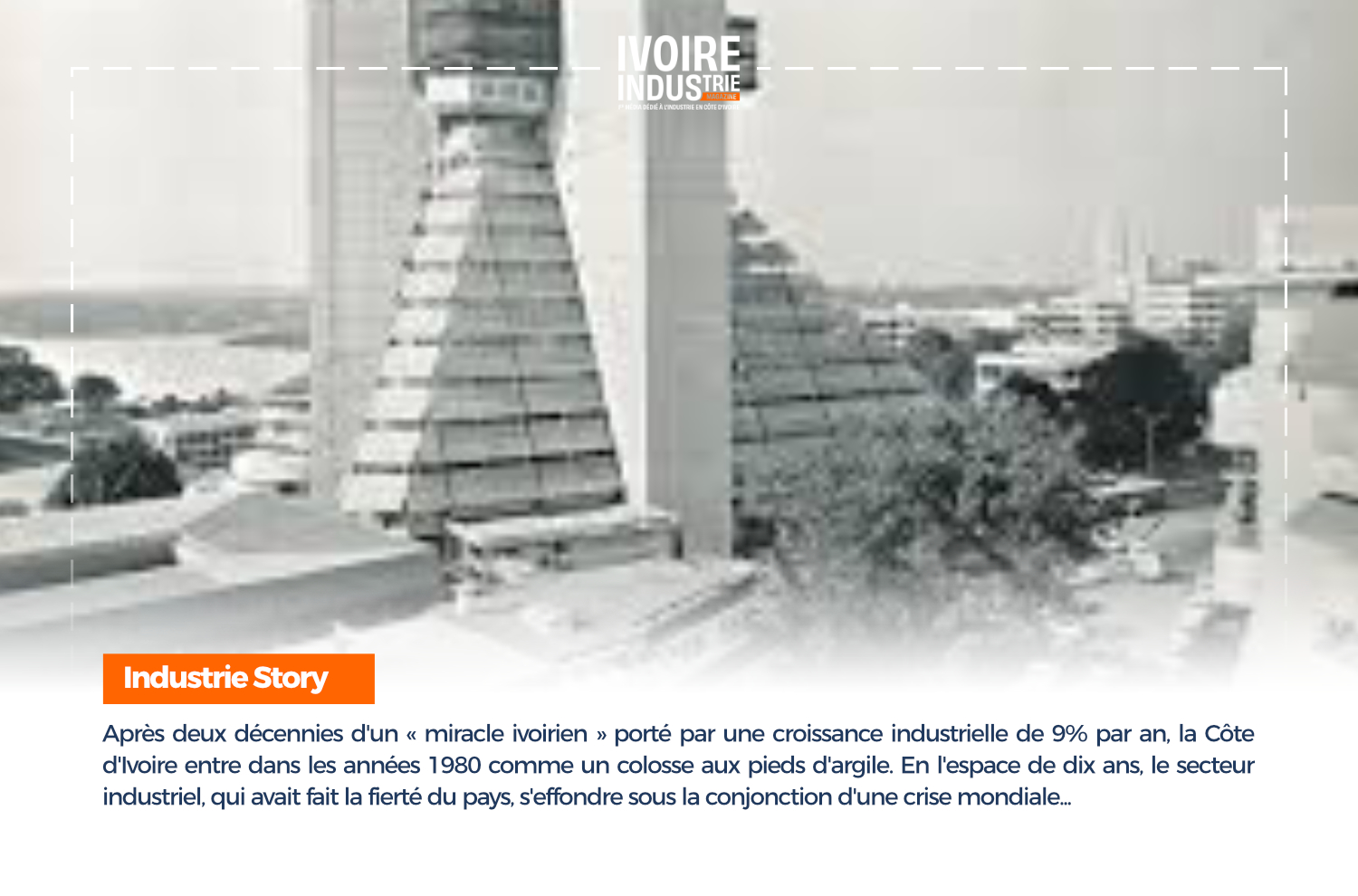
After two decades of an “Ivorian miracle” driven by industrial growth of 9% per year, Ivory Coast entered the 1980s like a colossus with feet of clay. In the space of ten years, the industrial sector, which had been the pride of the country, collapsed under the combination of a global crisis, an economic model on its l...
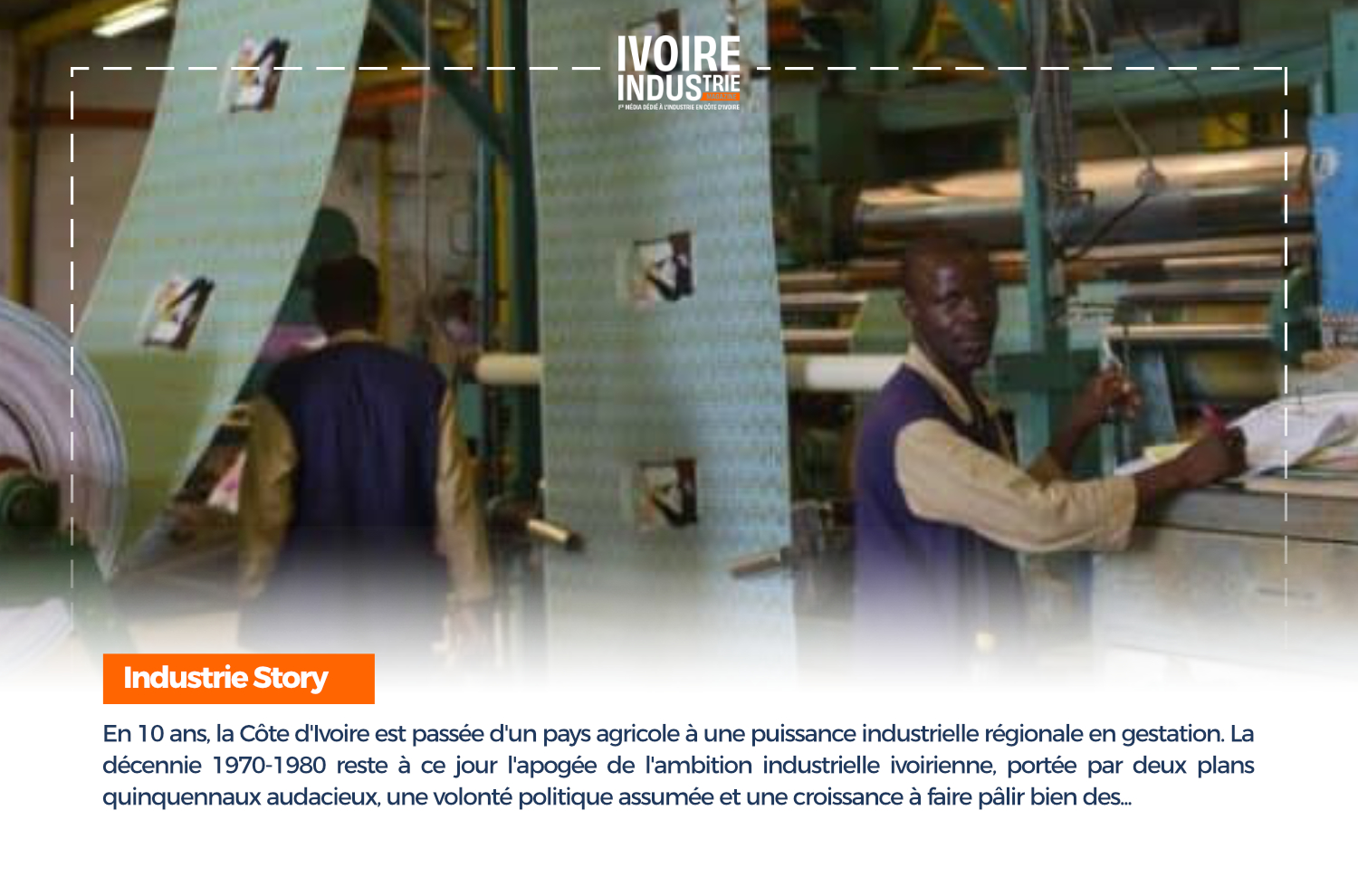
In 10 years, Côte d'Ivoire has gone from an agricultural country to a regional industrial power in the making. The 1970-1980 decade remains to this day the apogee of Ivorian industrial ambition, driven by two audacious five-year plans, an assumed political will and growth that would make many economies around the world...

At independence on August 7, 1960, Côte d'Ivoire inherited a colonial economy largely focused on the export of raw materials. Faced with such an observation, President Félix Houphouët-Boigny commits the nation to a daring industrial adventure, based on an ambitious ten-year plan, a resolute openness to foreign capital...
 English
 Français