
60 result(s) for “Stockage agricole”
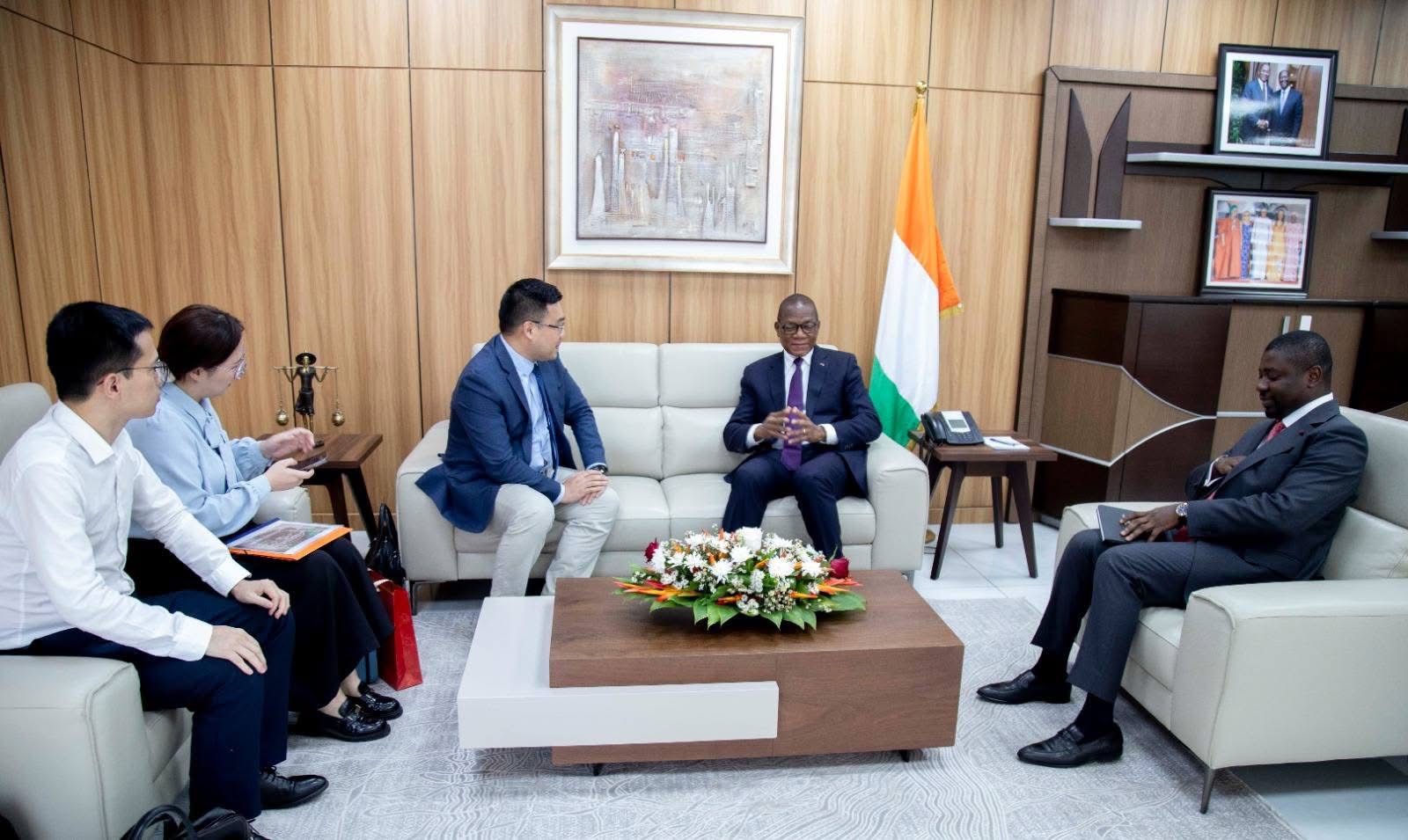
A delegation from Huawei Côte d 'Ivoire was received by the Minister of Agriculture, Rural Development and Food Productions, Bruno Nabagné Koné on 19 May 2026 in Abidjan, to relaunch the momentum of the "Smart Agriculture" project. An initiative that could profoundly transform the face of Ivorian agriculture.

The Moroccan group OCP is preparing to take a decisive step in the sustainable management of its industrial by-products, particularly phosphogypses, with the financial support of the International Finance Corporation (IFC). A colossal investment that aims to transform an environmental constraint into a strategic lever.
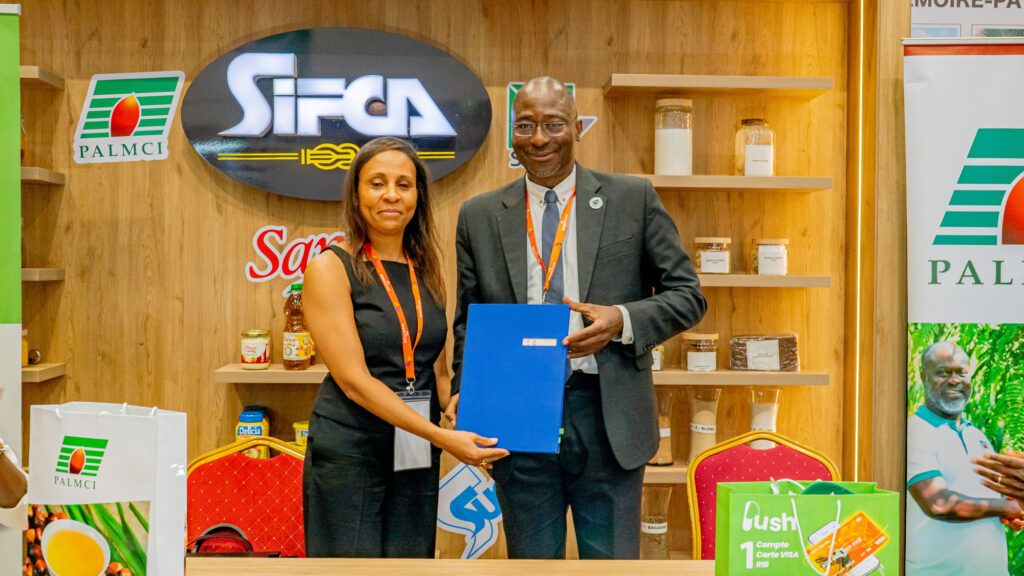
In the demanding world of Ivorian agro-industry, Lacina Coulibaly has established herself as a reference figure. At the head of PALMCI, a strategic subsidiary of the powerful SIFCA Group and listed on the Regional Stock Exchange (BRVM), he embodies a modern and ambitious vision of the agri-food sector in Côte d'Ivoire.
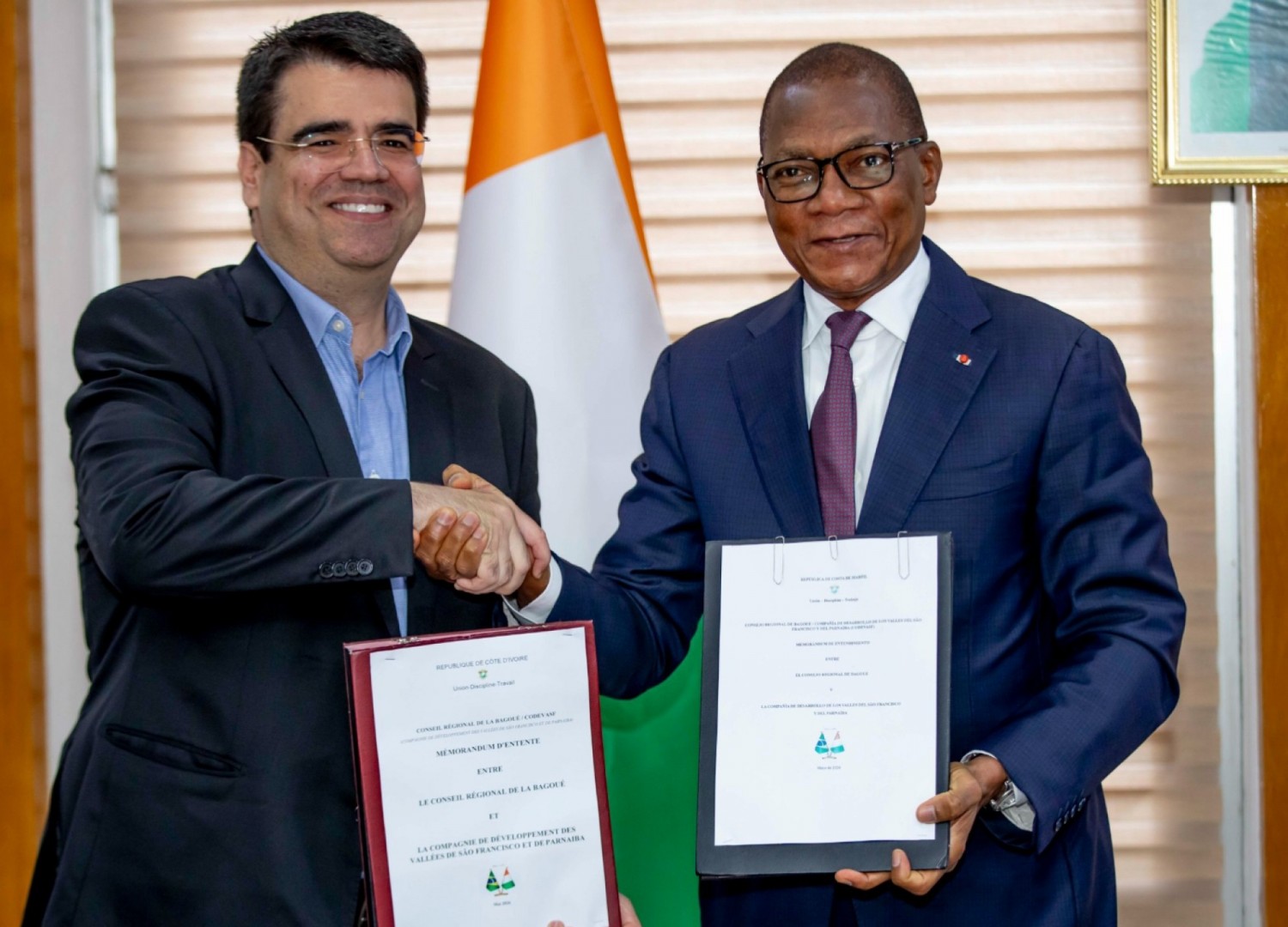
On May 8, 2026, the Minister of Agriculture, Rural Development and Food Production, Bruno Nabagné Koné, President of the Bagoué Regional Council, formalized the signing of a memorandum of understanding with the São Francisco and Parnaíba Valleys Development Company (CODEVASF), a leading Brazilian institution in the agr...
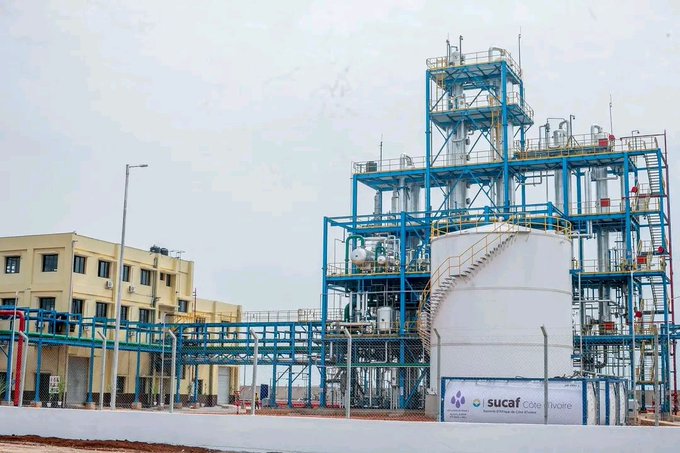
Ivory Coast is reaching a major industrial milestone with the commissioning of its first sugar cane distillery in Ferkéssédougou, in the north of the country. Located on the SUCAF-CI site in Ferké 2, this infrastructure represents an investment of 18 billion FCFA and will generate nearly 12 million liters of 96-degree...
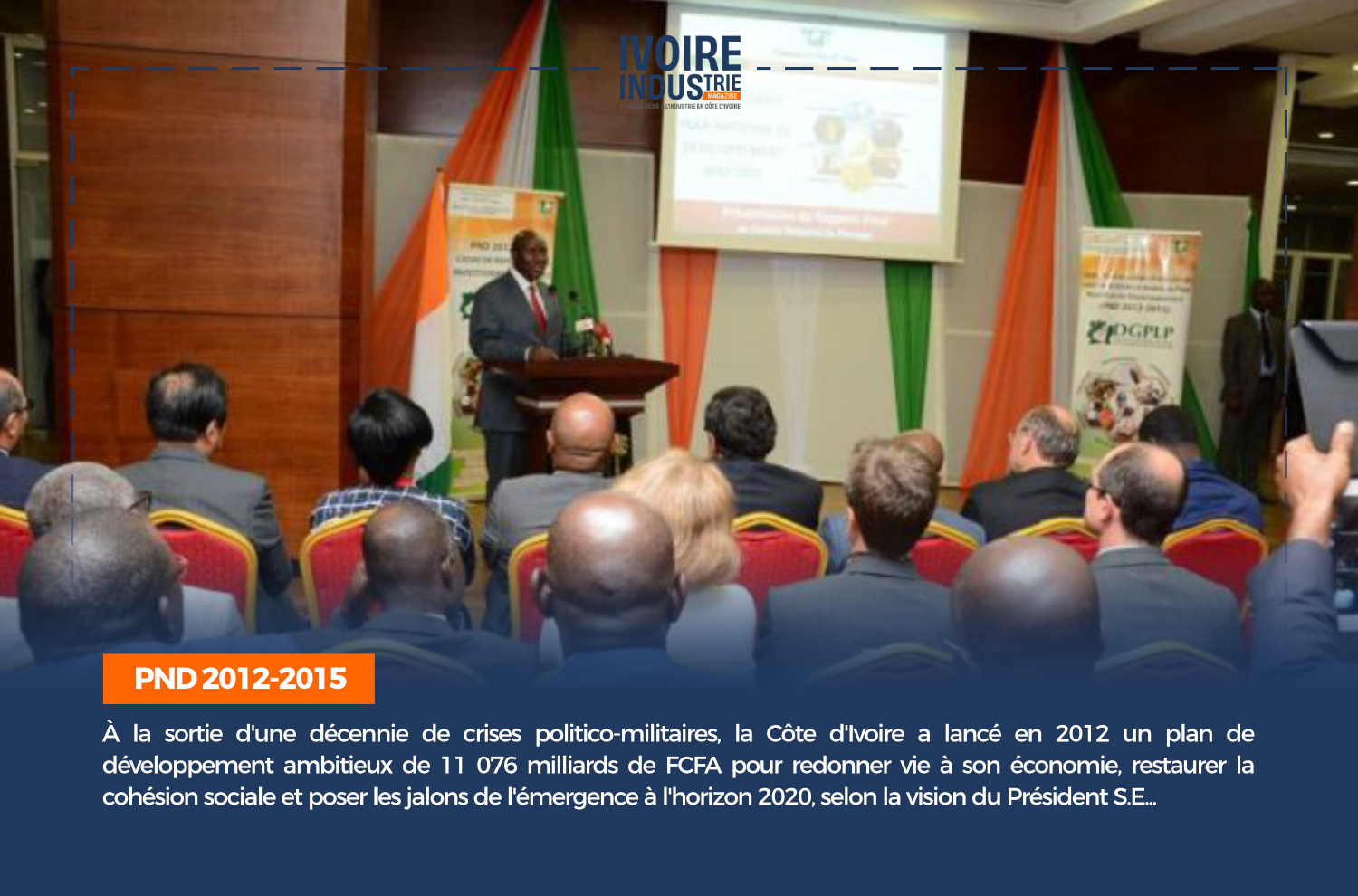
At the end of a decade of political-military crises, Côte d'Ivoire launched in 2012 an ambitious development plan of 11,076 billion FCFA to revive its economy, restore social cohesion and lay the foundations for emergence by 2020, according to the vision of the Head of State H.E Alassane OUATTARA. Four years later, the...

Ivory Coast, once the economic showcase of sub-Saharan Africa, went through one of the darkest phases of its industrial history between 2000 and 2010. Undermined by political instability, the failed coup d'état of 2002 and its consequences on investment, the Ivorian productive system has retreated, leaving behind close...

In the 1990s, the International Monetary Fund and the World Bank exercised unprecedented control over the Ivorian economy and politics. Between imposed remedies and deep social fractures, the results of this decade remain, even today, a subject of controversy.
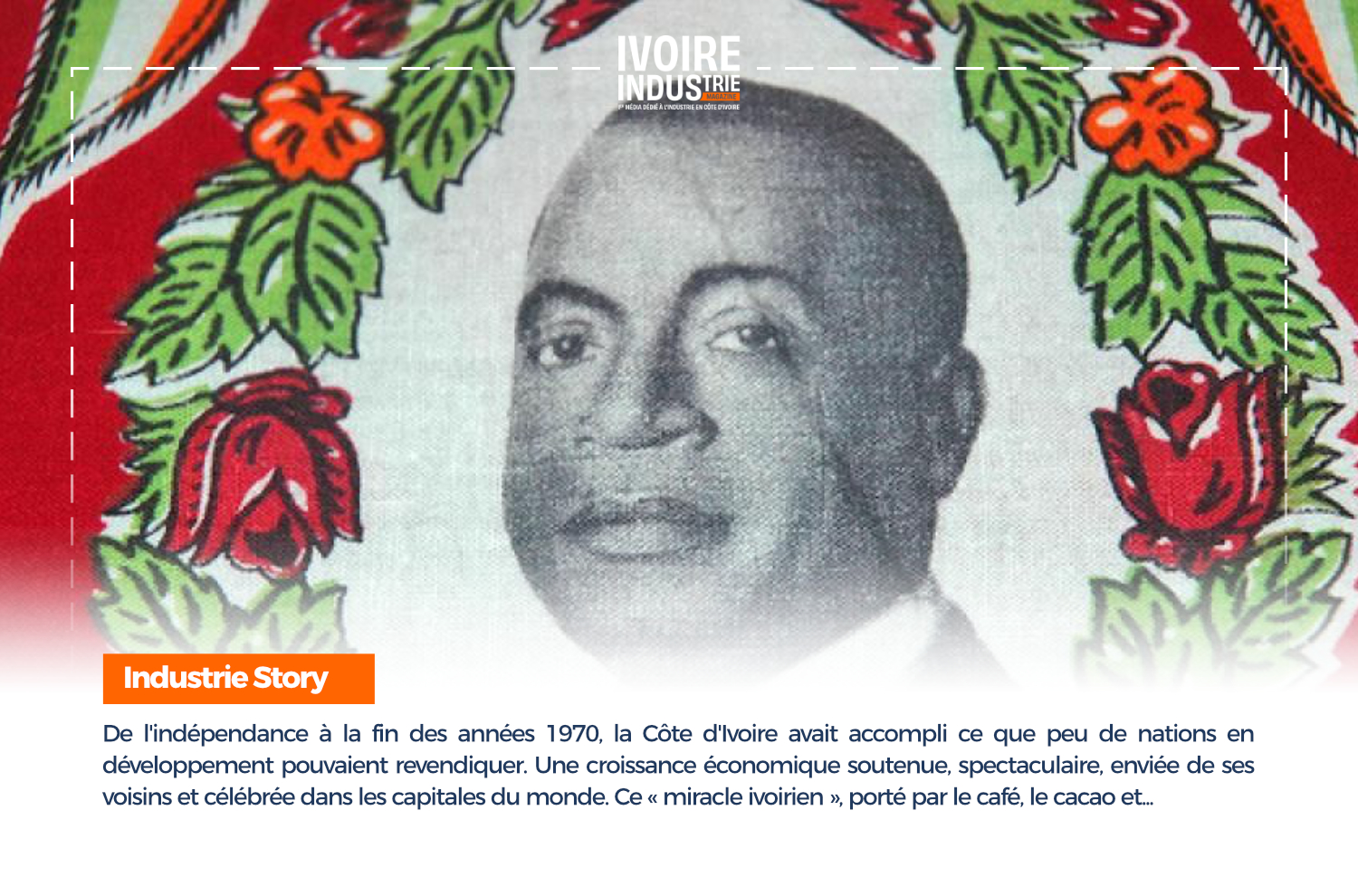
From independence to the late 1970s, Ivory Coast had accomplished what few developing nations could claim. Sustained, spectacular economic growth, envied by its neighbors and celebrated in the capitals of the world. This “Ivorian miracle”, driven by coffee, cocoa and a liberal political will, remains one of the most da...
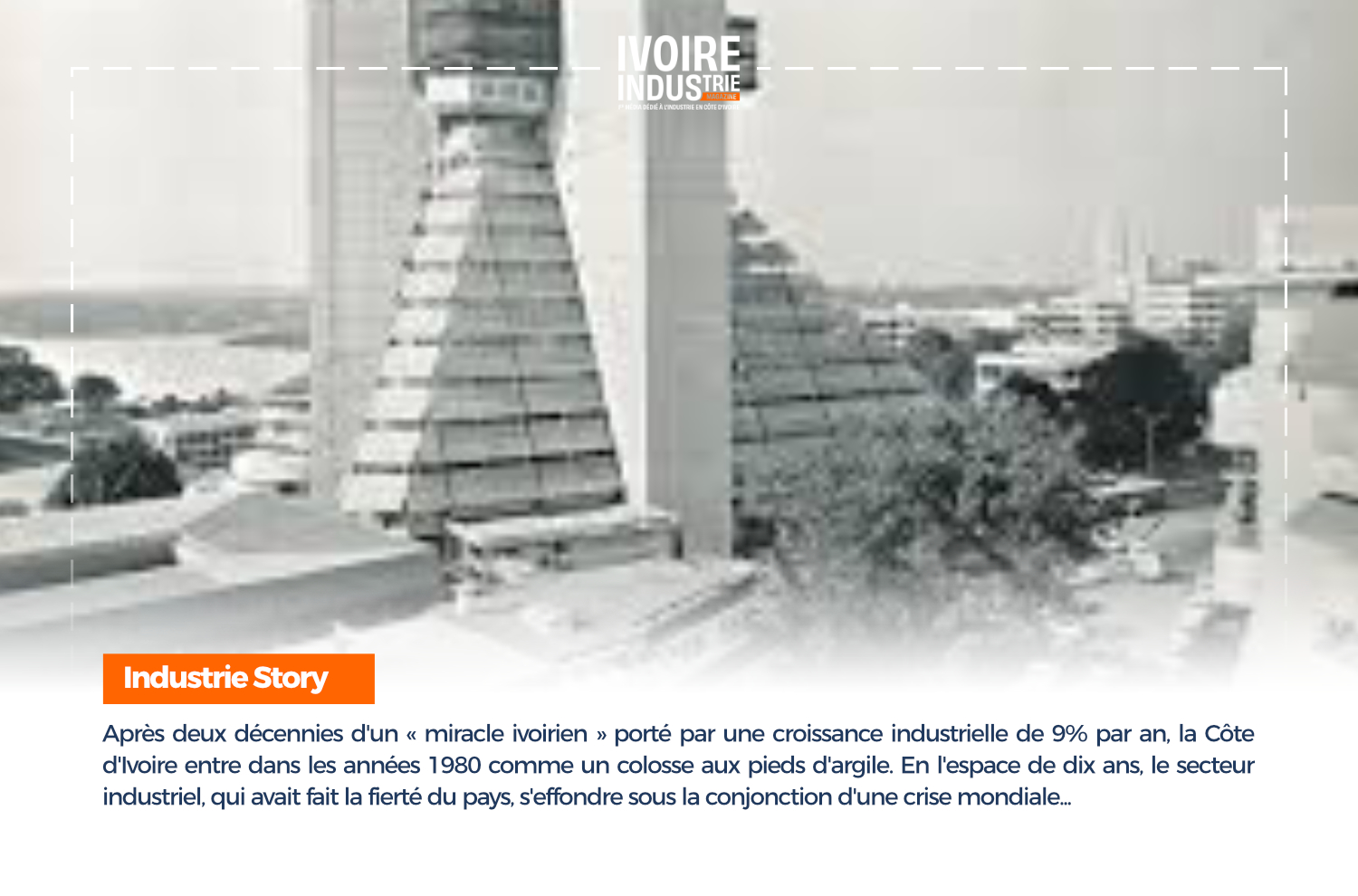
After two decades of an “Ivorian miracle” driven by industrial growth of 9% per year, Ivory Coast entered the 1980s like a colossus with feet of clay. In the space of ten years, the industrial sector, which had been the pride of the country, collapsed under the combination of a global crisis, an economic model on its l...
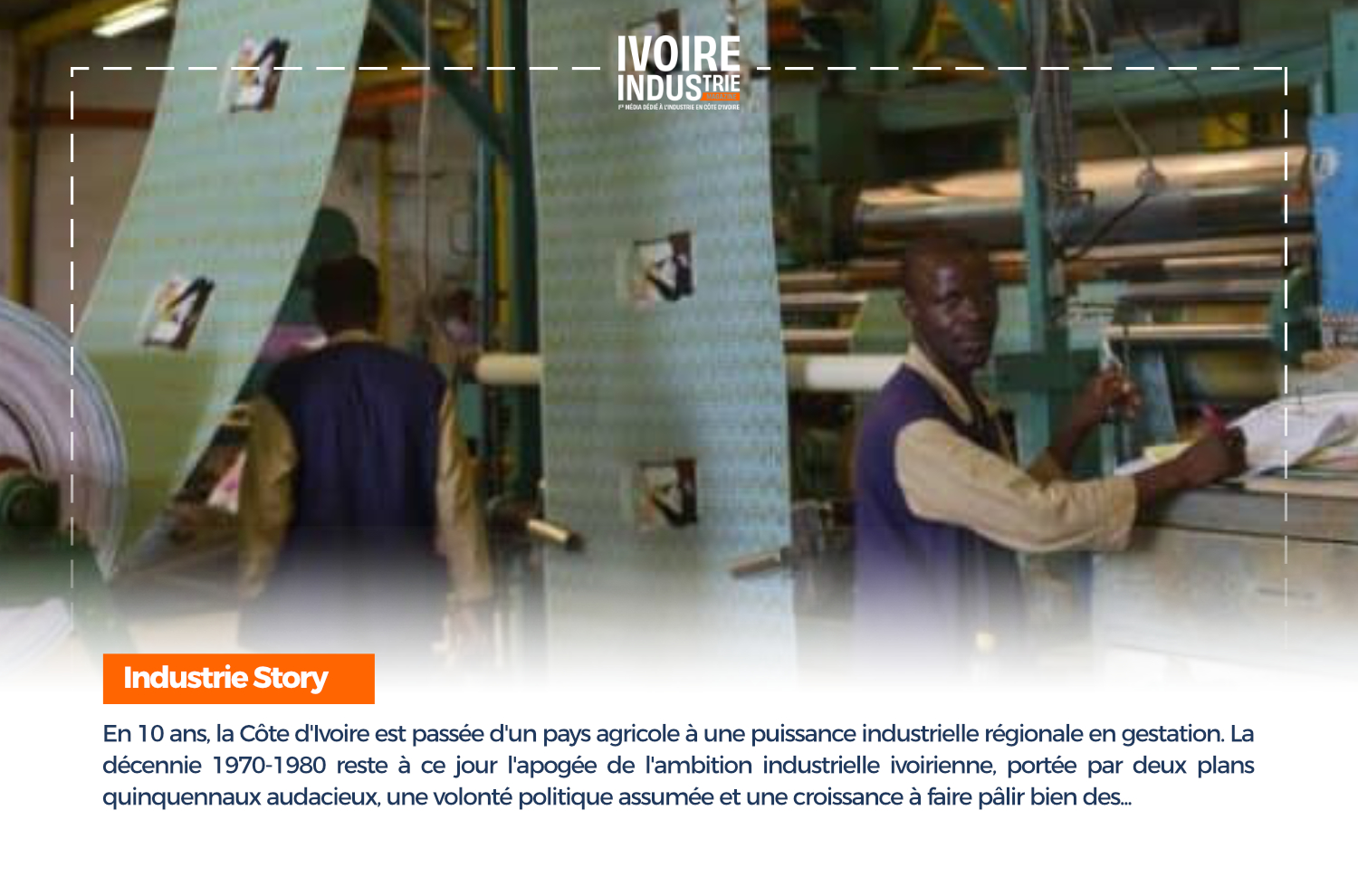
In 10 years, Côte d'Ivoire has gone from an agricultural country to a regional industrial power in the making. The 1970-1980 decade remains to this day the apogee of Ivorian industrial ambition, driven by two audacious five-year plans, an assumed political will and growth that would make many economies around the world...

At independence on August 7, 1960, Côte d'Ivoire inherited a colonial economy largely focused on the export of raw materials. Faced with such an observation, President Félix Houphouët-Boigny commits the nation to a daring industrial adventure, based on an ambitious ten-year plan, a resolute openness to foreign capital...
 English
 Français