

54 result(s) for “Conseil Coton, Anacarde et Karité”
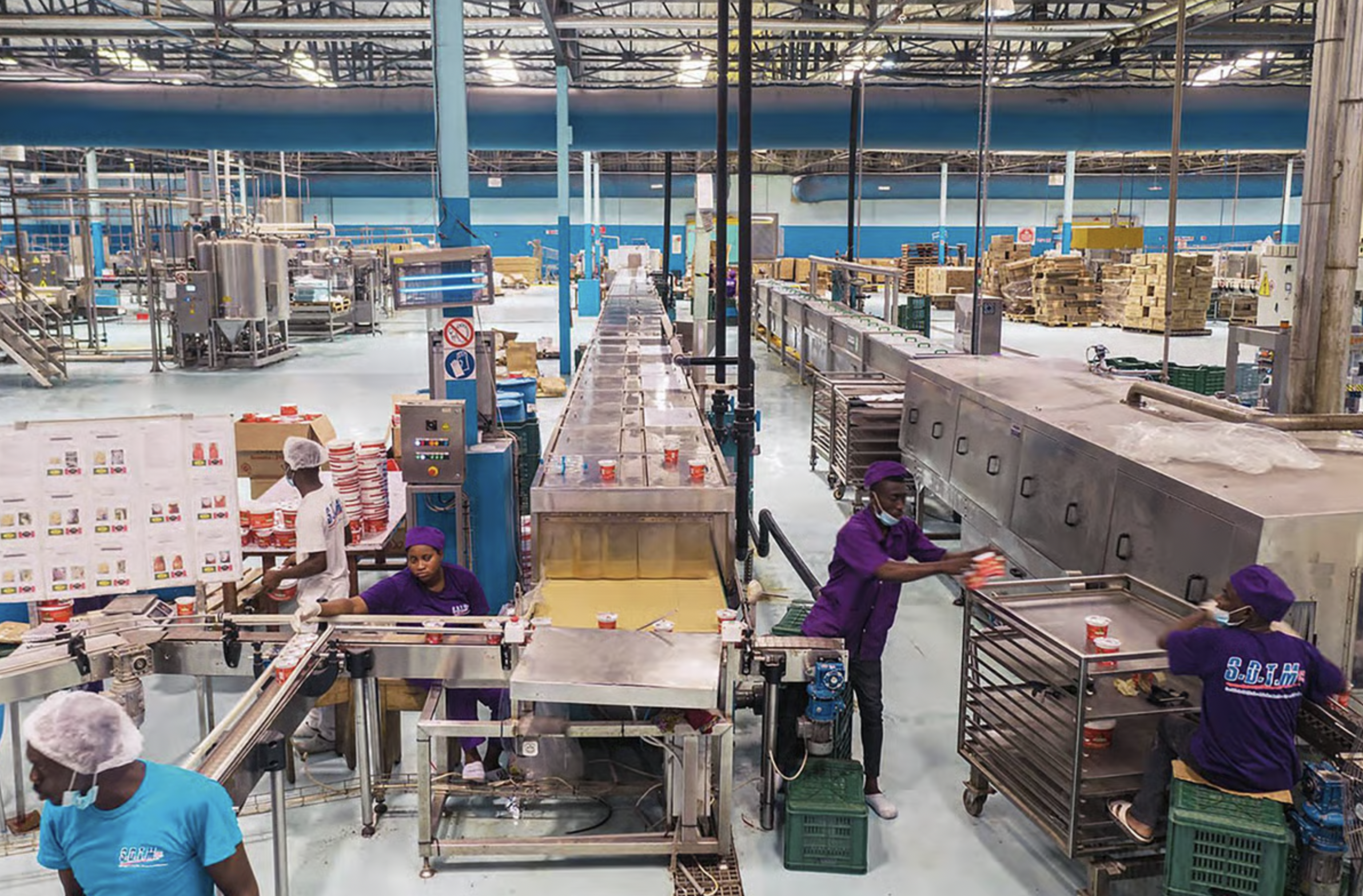
The Ivorian industry is experiencing an unprecedented rise in power. With sectoral turnover up 25% at the end of June 2025 and a contribution of 22.7% to GDP in 2024, the country relies on a diversified network of factories (from cocoa to cement, including hydrocarbons) to transform its raw materials into an engine for...
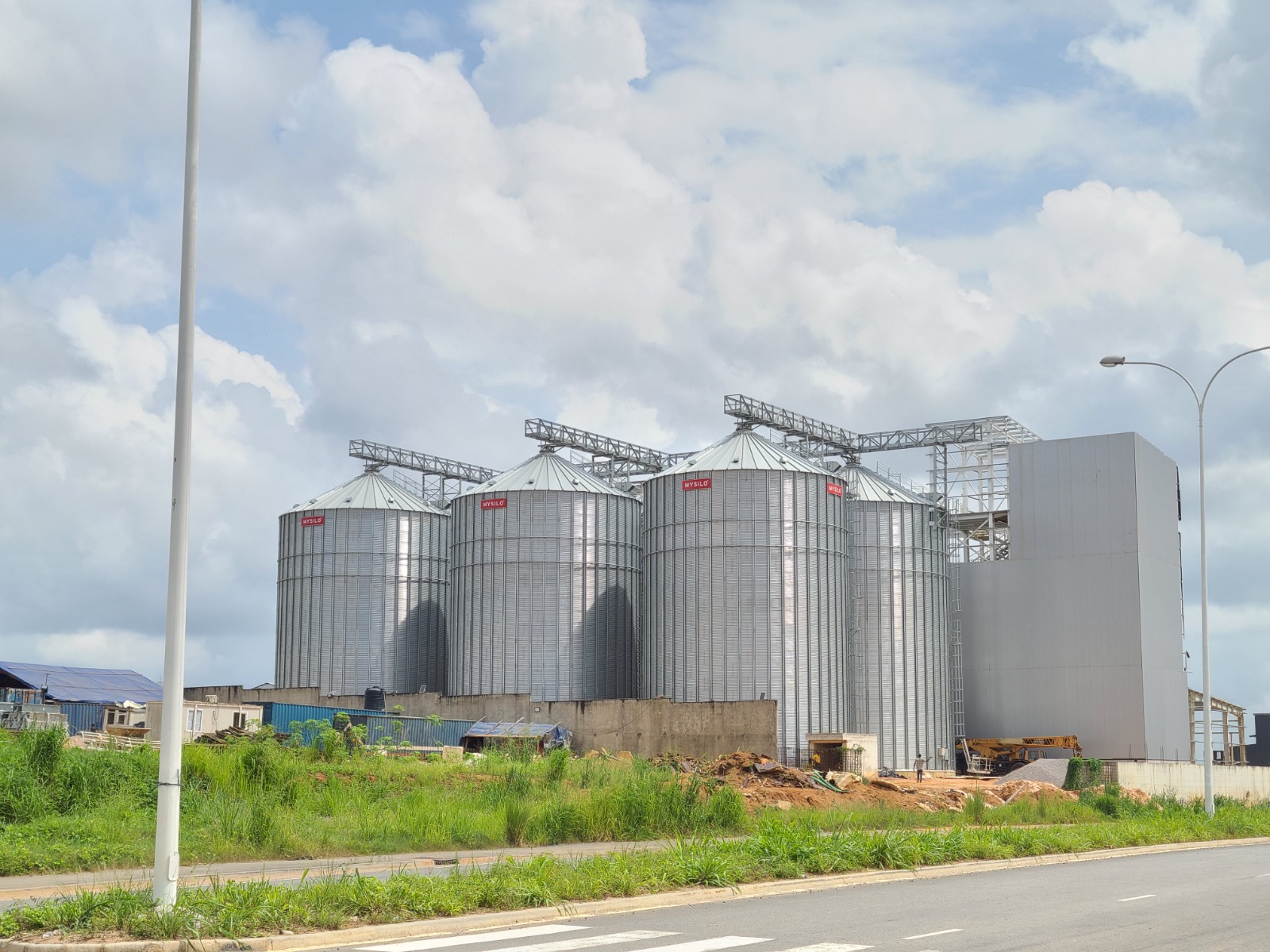
About thirty kilometers from Abidjan, the Akoupé-Zeudji PK24 industrial zone (ZI) stands out as a strategic lever for industrialization in Côte d’Ivoire. Designed to relieve congestion in old areas and attract structuring investments, it embodies a new generation of modern, sustainable and competitive industrial spaces...
After a dark decade marked by socio-political crises, Côte d'Ivoire initiated between 2010 and 2020 one of the most spectacular industrial transformations in West Africa. Driven by strong political will, a booming agro-industry and massive investments in infrastructure, the Ivorian economy has made a remarkable recover...

Ivory Coast, once the economic showcase of sub-Saharan Africa, went through one of the darkest phases of its industrial history between 2000 and 2010. Undermined by political instability, the failed coup d'état of 2002 and its consequences on investment, the Ivorian productive system has retreated, leaving behind close...
In 10 years, Côte d'Ivoire has gone from an agricultural country to a regional industrial power in the making. The 1970-1980 decade remains to this day the apogee of Ivorian industrial ambition, driven by two audacious five-year plans, an assumed political will and growth that would make many economies around the world...

At independence on August 7, 1960, Côte d'Ivoire inherited a colonial economy largely focused on the export of raw materials. Faced with such an observation, President Félix Houphouët-Boigny commits the nation to a daring industrial adventure, based on an ambitious ten-year plan, a resolute openness to foreign capital...
 English
 Français