

23 result(s) for “Aéroport Félix Houphouët-Boigny”
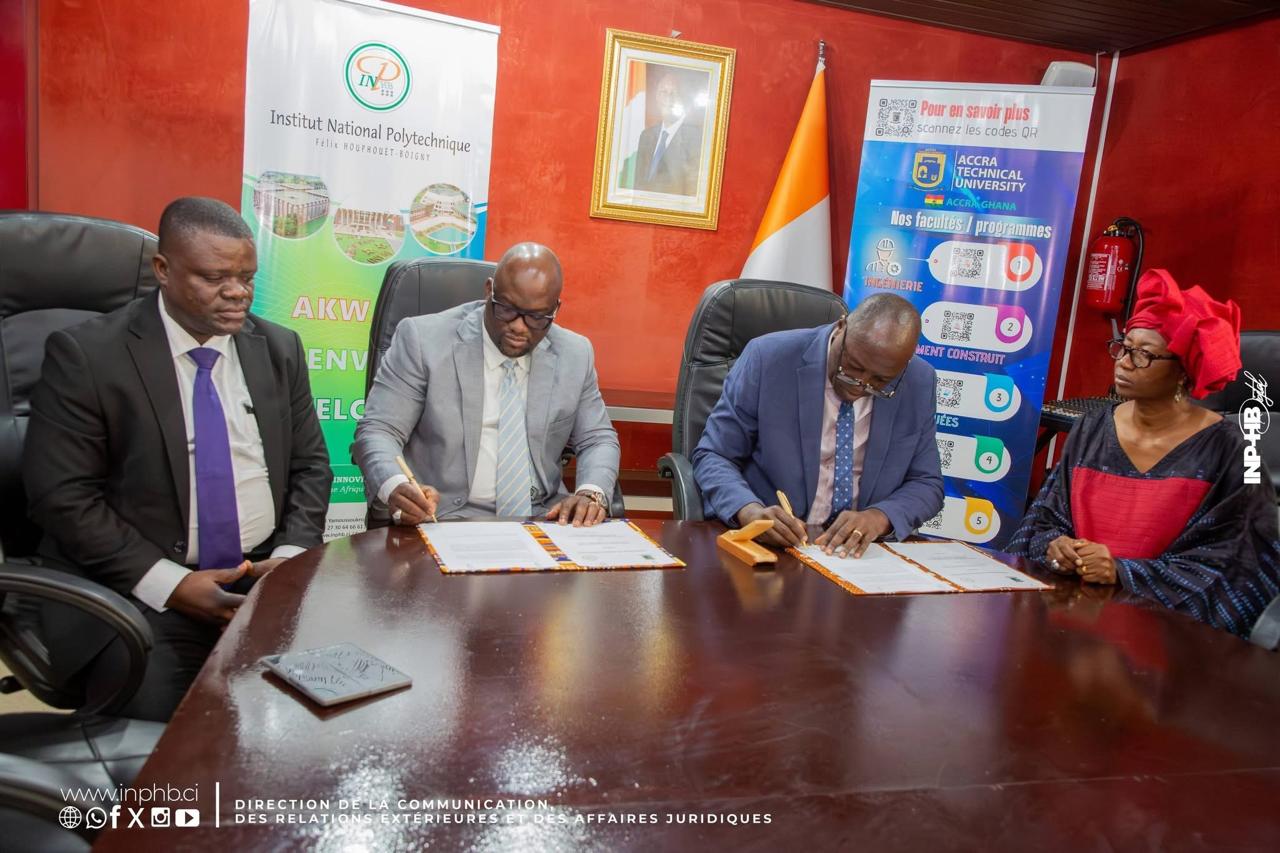
On Friday, May 29, 2026, the Institut National Polytechnique Félix Houphouët-Boigny (INP-HB) in Yamoussoukro welcomed a delegation from the Accra Technical University (ATU) of Ghana, led by its Vice-Chancellor, Professor Amevi Akakpovi. The two institutions officially signed an academic partnership agreement, marking a...
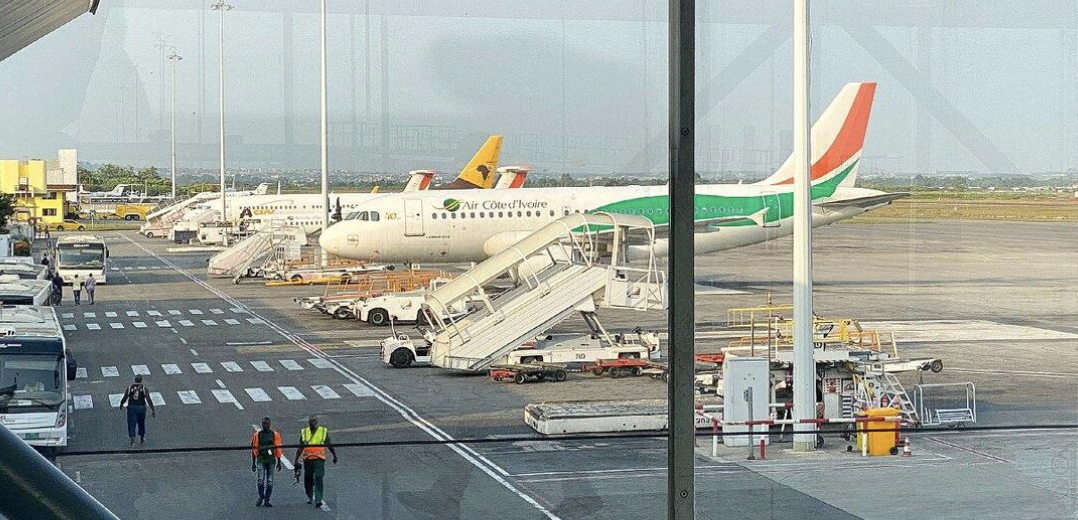
As part of the National Development Plan (PND) 2026-2030, the government under the vision of the President of the Republic, H.E Alassane OUATTARA, plans the creation of an international airport in San-Pedro, in the southwest of the country, and an aerodrome in Bondoukou, in the east. These projects aim to open up strat...

As part of the West African Coastal Management Program (WACA), the Minister of the Environment and Ecological Transition, Abou Bamba, recently made the official handover of cutting-edge scientific equipment worth more than 110 million CFA francs to the Félix Houphouët-Boigny University of Cocody. A strategic endowment...
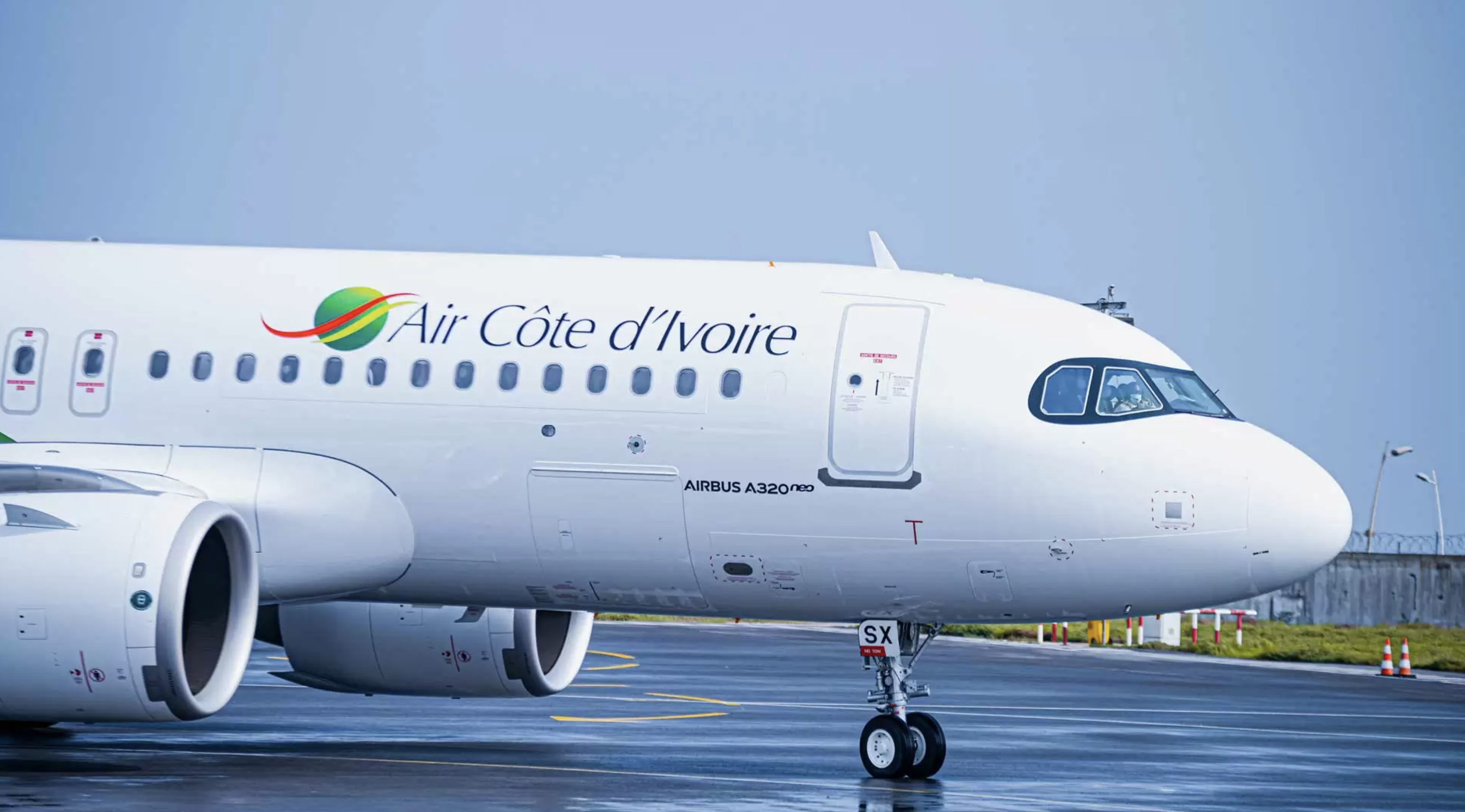
The Ivorian government recently adopted three decrees defining 25% of the main aeronautical charges at the country's airports. A reform calibrated to strengthen the competitiveness of the national company and position Côte d'Ivoire as an essential regional hub.

Two African institutions, the Institute of Technology of Dar es Salaam (Tanzania) and the Institut National Polytechnique Félix Houphouët-Boigny (INP-HB) of Côte d'Ivoire, have won the 8th round of the KiboCUBE program. Their joint nanosatellite, TanSat-1, will be deployed from the International Space Station, a histor...

Founded more than 60 years ago in Abidjan, the SIFCA Group has established itself as the first private agro-industrial group in Côte d'Ivoire and one of the most influential players in the West African economy. Specializing in palm oil, natural rubber and cane sugar, this Ivorian behemoth now operates in five countries...

In the 1990s, the International Monetary Fund and the World Bank exercised unprecedented control over the Ivorian economy and politics. Between imposed remedies and deep social fractures, the results of this decade remain, even today, a subject of controversy.
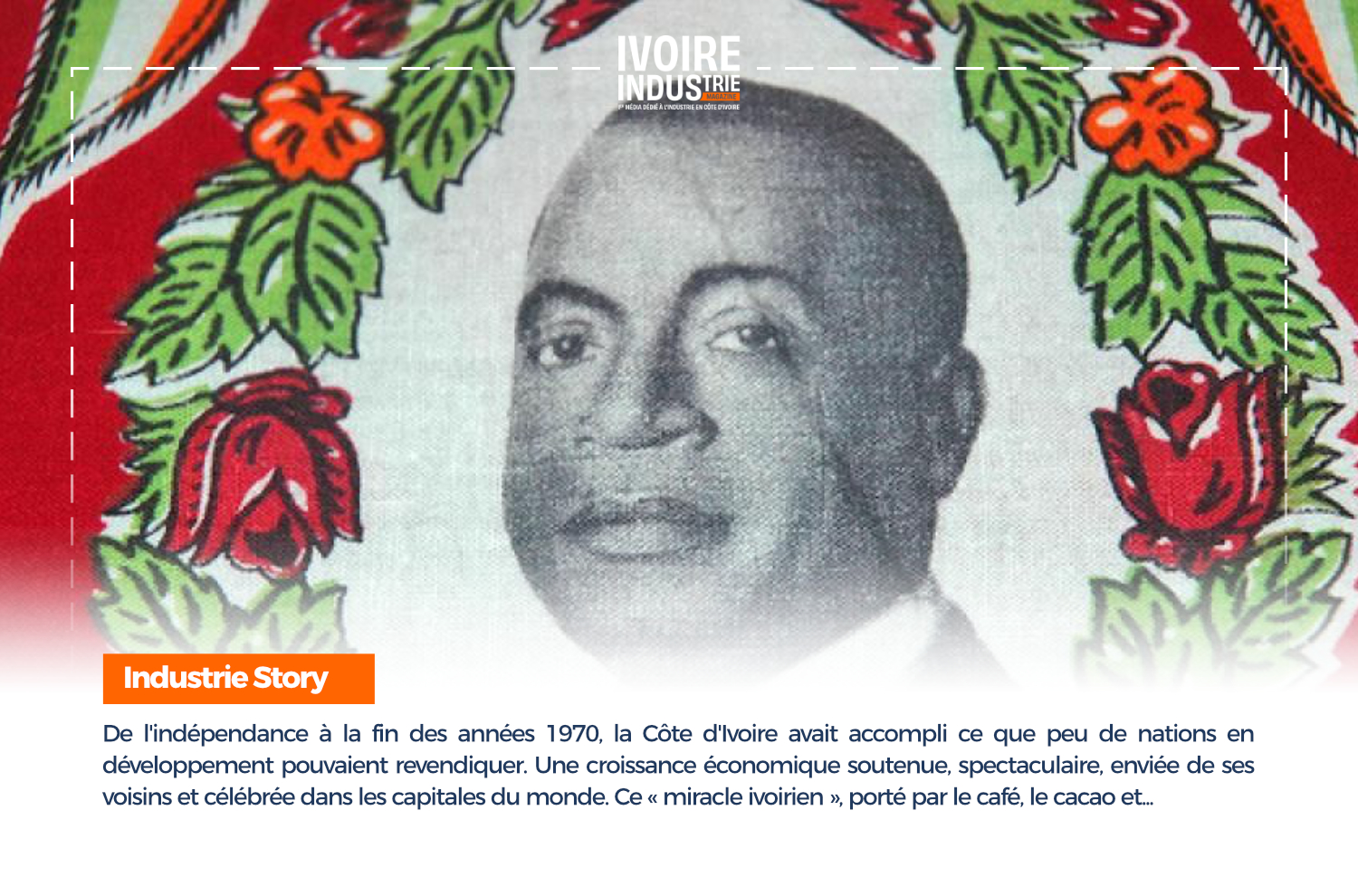
From independence to the late 1970s, Ivory Coast had accomplished what few developing nations could claim. Sustained, spectacular economic growth, envied by its neighbors and celebrated in the capitals of the world. This “Ivorian miracle”, driven by coffee, cocoa and a liberal political will, remains one of the most da...
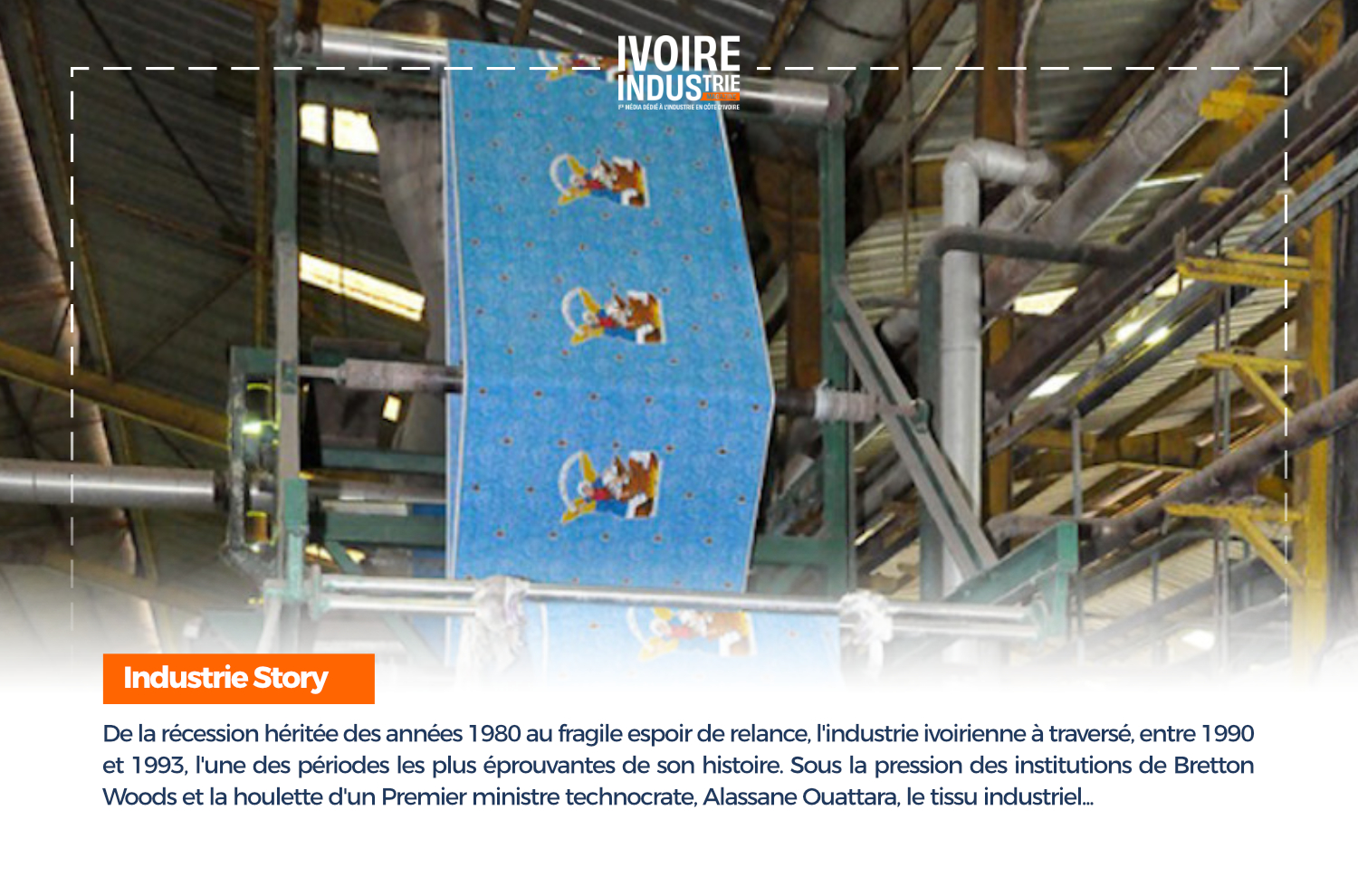
From the recession inherited from the 1980s to the fragile hope of recovery, the Ivorian industry went through, between 1990 and 1993, one of the most trying periods in its history. Under pressure from the Bretton Woods institutions and the leadership of a technocratic Prime Minister, Alassane Ouattara, the country's i...
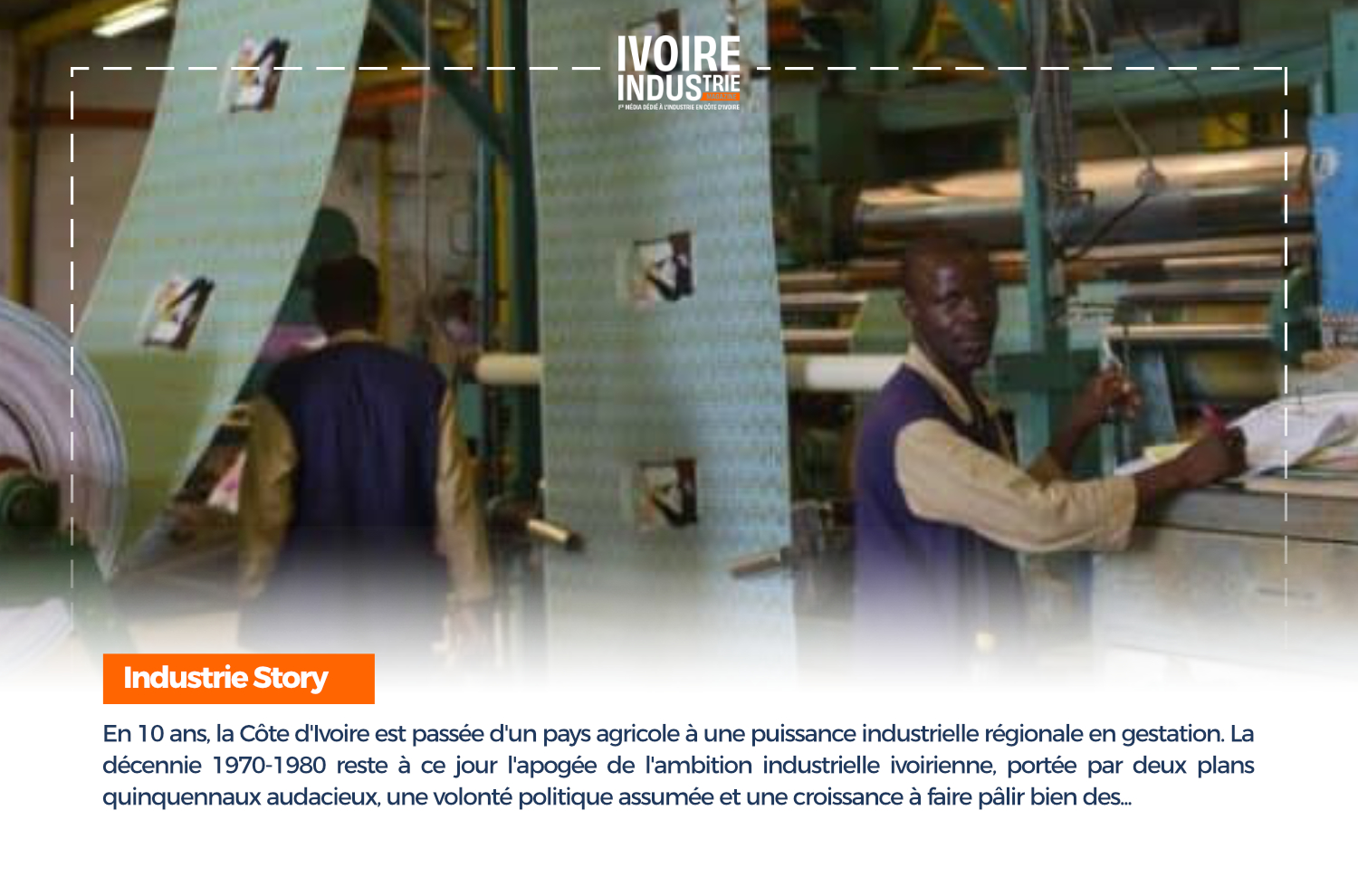
In 10 years, Côte d'Ivoire has gone from an agricultural country to a regional industrial power in the making. The 1970-1980 decade remains to this day the apogee of Ivorian industrial ambition, driven by two audacious five-year plans, an assumed political will and growth that would make many economies around the world...

At independence on August 7, 1960, Côte d'Ivoire inherited a colonial economy largely focused on the export of raw materials. Faced with such an observation, President Félix Houphouët-Boigny commits the nation to a daring industrial adventure, based on an ambitious ten-year plan, a resolute openness to foreign capital...
 English
 Français