
148 result(s) for “Centre de formation à la mécanisation agricole de Grand-Lahou”
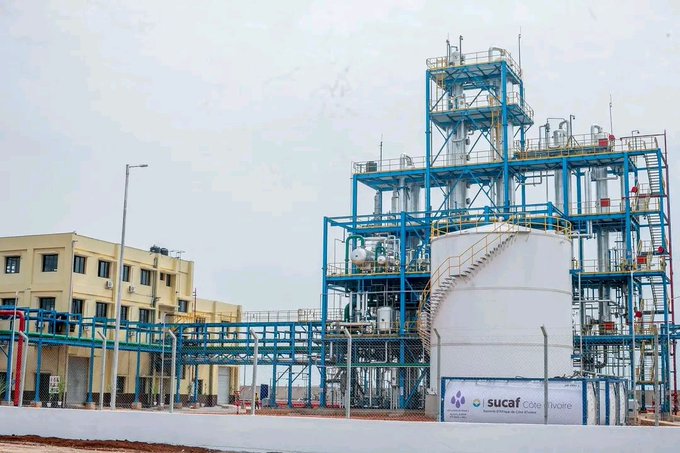
Ivory Coast is reaching a major industrial milestone with the commissioning of its first sugar cane distillery in Ferkéssédougou, in the north of the country. Located on the SUCAF-CI site in Ferké 2, this infrastructure represents an investment of 18 billion FCFA and will generate nearly 12 million liters of 96-degree...

The Ivorian government officially announced on May 2, 2026 its ambition to provide the country with national artificial intelligence, designed from its own realities. Led by the Minister of Digital Transition and Technological Innovation, Djibril Ouattara, this initiative primarily targets agriculture and the cocoa sec...
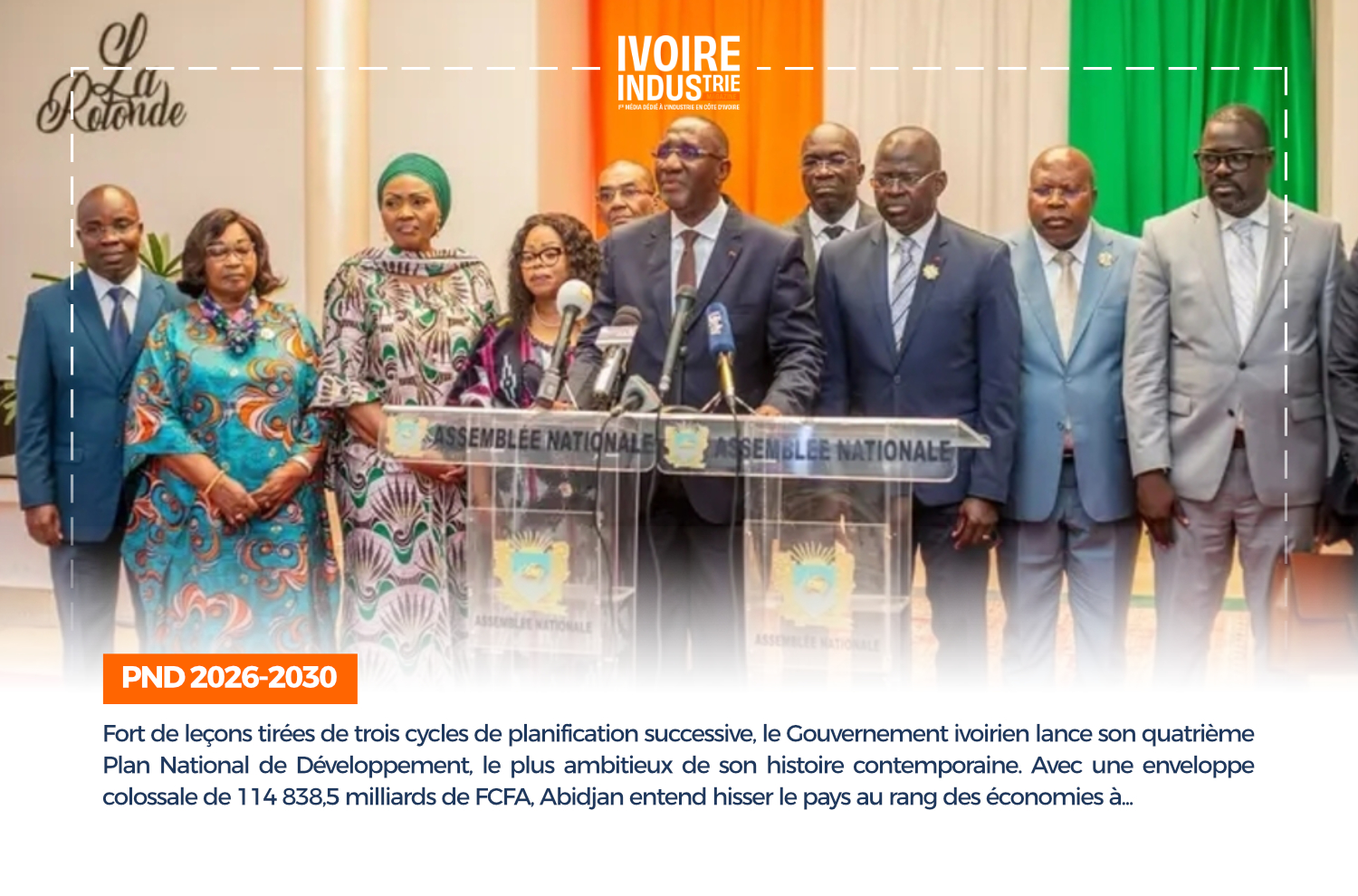
Drawing on lessons learned from three successive planning cycles, the Ivorian Government under the Presidency of H.E Alassane OUATTARA is launching its fourth National Development Plan (PND), the most ambitious in its contemporary history. With a colossal envelope of 114,838.5 billion FCFA, Abidjan intends to raise the...
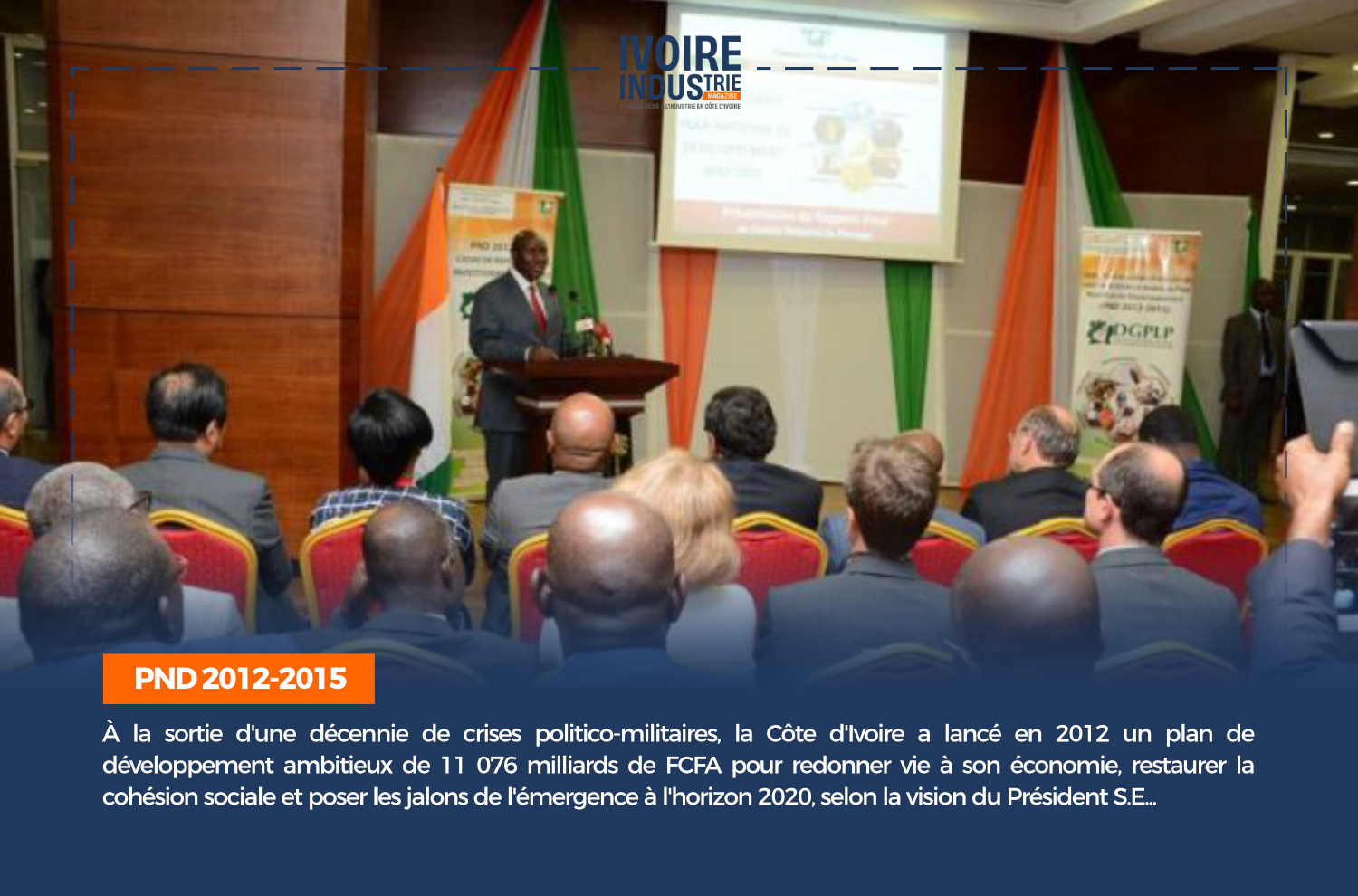
At the end of a decade of political-military crises, Côte d'Ivoire launched in 2012 an ambitious development plan of 11,076 billion FCFA to revive its economy, restore social cohesion and lay the foundations for emergence by 2020, according to the vision of the Head of State H.E Alassane OUATTARA. Four years later, the...
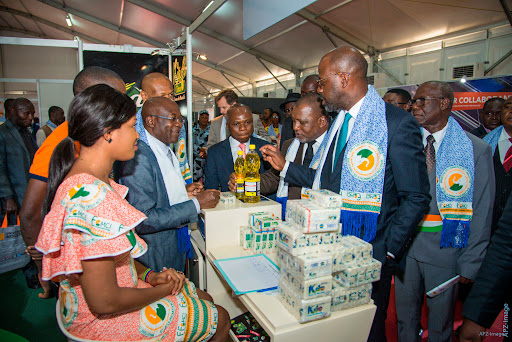
Launched in 2010 in the wake of West African agro-industry, Africa West Industries (AWI) has established itself in 15 years as one of the flagships of Côte d'Ivoire's manufacturing industry. Specializing in the production of Marseille soaps and edible vegetable oil, this 100% Ivorian company, with more than 400 employe...

Ivory Coast is accelerating its industrial transformation by structuring the territory around a constellation of zones dedicated to factories, long concentrated around Abidjan and now extended towards the interior of the country. From the old Koumassi area to the new Akoupé-Zeudji PK24 platform, via Yopougon, Bouaké or...
After a dark decade marked by socio-political crises, Côte d'Ivoire initiated between 2010 and 2020 one of the most spectacular industrial transformations in West Africa. Driven by strong political will, a booming agro-industry and massive investments in infrastructure, the Ivorian economy has made a remarkable recover...

Ivory Coast, once the economic showcase of sub-Saharan Africa, went through one of the darkest phases of its industrial history between 2000 and 2010. Undermined by political instability, the failed coup d'état of 2002 and its consequences on investment, the Ivorian productive system has retreated, leaving behind close...

On January 12, 1994, a decision from Dakar shattered the monetary certainties of 14 African countries. The CFA franc suddenly loses 50% of its value against the French franc. For Ivory Coast, the largest economy in the West African Economic and Monetary Union (UEMOA), it is both a painful electric shock and a structura...

In the 1990s, the International Monetary Fund and the World Bank exercised unprecedented control over the Ivorian economy and politics. Between imposed remedies and deep social fractures, the results of this decade remain, even today, a subject of controversy.
Ivorian industry has gone through one of the most decisive periods in its history, from the devaluation of the CFA franc to the first privatizations. Between shock therapies imposed by the Bretton Woods institutions, renewed competitiveness and persistent structural fragilities, the country's industrial fabric has been...
From independence to the late 1970s, Ivory Coast had accomplished what few developing nations could claim. Sustained, spectacular economic growth, envied by its neighbors and celebrated in the capitals of the world. This “Ivorian miracle”, driven by coffee, cocoa and a liberal political will, remains one of the most da...
 English
 Français